UNCLAIMED WAGES

How to Find and Claim an Uncashed Paycheck

An uncashed paycheck can be surprisingly easy to lose track of. A final check may have been mailed after you moved, a paper paycheck may have been misplaced, or an employer may have issued a commission, bonus, or other wage payment after you left the company.

Even when the original check is too old to deposit, the money behind it may still be yours. Depending on how much time has passed, your search may lead you to a former employer’s payroll department, a state unclaimed property program, or—if the money involves wages recovered through a federal investigation—the U.S. Department of Labor. Employers generally must eventually report qualifying unclaimed wages to the appropriate state rather than simply keeping the money.

Updated

Sept 2026

Reading Time

12 min

Category

Uncashed Checks

Person reviewing old pay stubs and employment records while searching for an uncashed paycheck
WHAT YOU NEED TO KNOW

An Old Paycheck May Still Be Your Money

Finding an old paycheck that you never cashed doesn’t necessarily mean you’ve lost the wages. The physical check can become difficult to deposit as it ages, but unclaimed wages are treated separately from the piece of paper that originally represented the payment.

Start with the employer if the missing payment is relatively recent. If enough time has passed, search the official unclaimed property program for the appropriate state. NAUPA specifically recognizes wages as a category of unclaimed property, and its current state-by-state data shows wage dormancy periods ranging from one to five years, with one year used by many states.
In This Guide
HOW UNCLAIMED PAYROLL WORKS

What Happens to a Paycheck That Is Never Cashed?

Payroll checks can go uncashed for ordinary reasons. Someone changes apartments before a final paycheck arrives. A small bonus is mailed months later. An employee receives a paper check but forgets to deposit it. A company may even discover additional compensation after the worker has left.

Whatever the reason, the employer cannot necessarily treat the money as its own simply because the employee failed to cash the original check. State unclaimed property laws establish procedures for aging payroll liabilities and eventually transferring qualifying unclaimed funds to the government.

When Does an Uncashed Paycheck Become Unclaimed Property?

There is no single nationwide dormancy period for uncashed wages. NAUPA’s state-by-state information shows that one year is common, but there are important exceptions. Pennsylvania currently lists two years for wages, while Maryland, Massachusetts and Missouri list three years, and Delaware and Mississippi list five years.

That difference matters because a paycheck that is still being handled by the employer in one state might already have been reportable as unclaimed property in another.

What Types of Payroll Money Can Become Unclaimed?

The category can extend beyond the ordinary weekly or biweekly paycheck. NAUPA’s reporting standards identify wages, payroll and salary as an unclaimed-property category and separately identify commissions.

Depending on the circumstances and applicable state law, payroll-related money you should investigate can include:
  • Regular payroll checks that were never cashed
  • Final paychecks from former employers
  • Paychecks mailed to an old address
  • Salary payments that were issued but never collected
  • Commissions or incentive payments
  • Bonuses issued after employment ended
  • Other compensation owed by a former employer
Signs You May Have Unclaimed Wages
Did You Know?
Payroll money can reach the government through more than one route. An ordinary uncashed paycheck may eventually become state unclaimed property, while the U.S. Department of Labor can separately hold back wages it recovered from employers through Wage and Hour Division enforcement actions.
A job change combined with an address change is one of the situations worth investigating when searching for an old payroll payment.
FIND YOUR MONEY

How to Find an Old or Uncashed Paycheck

A good search works from the most direct source outward. Start by determining exactly which payment may be missing, then follow the money from the employer to the state—and, when appropriate, to federal wage records.
1

Review Your Employment and Payroll Records

Start with your own files. Look through old pay stubs, W-2s, tax returns, bank statements, employment agreements and termination paperwork. Compare payroll records with deposits that actually reached your bank.

Pay particular attention to your final weeks with an employer. Vacation payouts, commissions, bonuses and final payroll payments may have been processed on a different schedule from your regular paycheck.
2

Contact the Employer's Payroll Department

If the company still exists, contact payroll or human resources. Provide your name while employed, approximate dates of employment, former address and as much information about the missing payment as possible.

Ask whether the original payment remains outstanding and whether it can be reissued. If payroll says the funds were transferred as unclaimed property, ask when they were reported and to which state. That information can dramatically narrow your search.
3

Search the Official State Unclaimed Property Database

If the employer no longer holds the funds—or you cannot reach the employer—search the state’s official unclaimed property database. NAUPA provides access to official government unclaimed-property programs and states that searching official programs is free.

Search your current name as well as previous names and common variations. Then repeat the search for states associated with former addresses if you’ve moved since working for the employer.
4

Check for Federally Recovered Back Wages

Don’t confuse an ordinary forgotten paycheck with back wages recovered by the government. The U.S. Department of Labor’s Wage and Hour Division may recover money after finding that an employer failed to properly pay workers. When the agency cannot locate a worker, those wages can remain unclaimed.

The Department’s Workers Owed Wages program is therefore worth checking when you suspect an employer was investigated for minimum wage, overtime or other federal wage violations.
5

Gather Proof and File the Claim

Once you find a matching state property record, follow that state’s instructions rather than contacting the former employer again. Claim requirements vary, but you should be prepared to establish your identity and your connection to the address or employer shown on the record.

Old W-2s and pay stubs can be particularly useful because they connect your name directly to the employer. Keep copies of anything you submit and respond promptly if the state requests additional documentation.
Uncashed Paycheck Insight
The age of the paycheck changes where you search. A relatively recent payment may still be a payroll issue. After the applicable state’s wage dormancy period has passed, the more productive question becomes whether the employer already reported the money as unclaimed property.
WHERE PAYCHECKS GET LOST

Six Common Uncashed Paycheck Situations

There isn’t one typical story behind unclaimed payroll money. Understanding how the payment disappeared can tell you where to look first.

You Left Before Your Final Paycheck Arrived

Your final paycheck may have been processed after your last day or mailed instead of deposited electronically. Contact payroll and verify the date, amount and method of the final payment.

You Moved After Leaving a Job

The employer may have mailed a check or later payment to the address it had on file. Search unclaimed property using states connected with your former addresses.

You Found an Old Paper Paycheck

Don’t assume an old physical check can simply be deposited today. Contact the issuer first to determine whether it remains outstanding, was replaced, or whether the underlying funds were reported as unclaimed property.

Your Former Employer Closed

A closed business makes the search harder, but it doesn’t automatically eliminate the claim. Search the appropriate state unclaimed property databases and investigate whether another company acquired the business.

Your Employer Owed You a Commission or Bonus

Compensation can arrive well after ordinary payroll has ended. Review your compensation agreement and former payroll records for commissions, bonuses or other payments that might have been issued after you left.

You Were Owed Back Wages

If a government investigation recovered wages from an employer but couldn’t locate you, the money may follow a different path from a routine uncashed paycheck. Search the U.S. Department of Labor’s Workers Owed Wages resources in addition to state databases.
An uncashed paycheck search can therefore become broader than looking for one piece of paper. You’re tracing an obligation: first determining who owed the money, then identifying who holds it now.
SEARCH SMARTER

Expert Tips for Tracking Down Unclaimed Wages

Payroll records can be decades old, companies can change names, and workers frequently move between states. These strategies can uncover records that a simple name search misses.

Search Every Name You've Used

Try your full legal name, middle initial, shortened first name and any former names. Older payroll records may not match the exact name you use today.

Reconstruct Your Old Addresses

Your former address can be critical when verifying a state unclaimed-property match. Tax returns, credit reports and old bank statements can help reconstruct where you lived while working for a particular employer.

Keep Your Old W-2s

A W-2 does more than document taxable wages. Years later, it can provide useful evidence that you actually worked for the company associated with an unclaimed payroll record.

Search More Than One State

People who have moved should not stop after searching their current state. Search states associated with previous residences and employment, especially around major job changes.

Don't Ignore Small Employers

Large corporations aren't the only source of forgotten payroll money. Seasonal jobs, restaurants, local businesses and short-term employment can produce payments that are easier to forget.

Separate Missing Wages From Unclaimed Wages

If an employer never paid you at all, you may have a wage-payment dispute rather than traditional unclaimed property. State labor agencies and the U.S. Department of Labor may be more appropriate resources when wages were never issued in the first place.

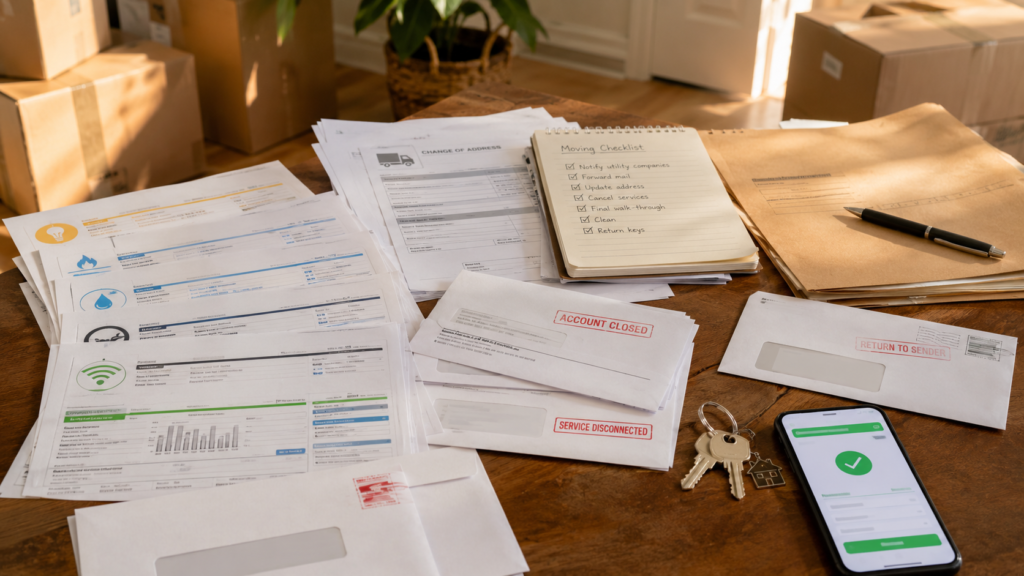
A few minutes spent reconstructing your employment history can turn a vague search for “old money” into a targeted search involving specific employers, years and addresses.
WHERE TO SEARCH

Official Resources for Unclaimed Paychecks and Wages

Use government sources whenever possible. Official state unclaimed-property searches do not require you to pay a finder simply to determine whether money is being held in your name.

State Unclaimed Property Programs

Every U.S. state maintains an official unclaimed property program where dormant bank account funds may eventually be reported. Searching the state where the account was originally opened should always be your first step.

National Association of Unclaimed Property Administrators (NAUPA)

NAUPA provides educational information about unclaimed property and helps consumers locate official state programs. It’s a trusted resource for understanding how unclaimed property laws work across the United States.

U.S. Department of Labor — Wage and Hour Division

The Wage and Hour Division enforces federal wage laws and may recover back wages for employees. Its Workers Owed Wages program helps people determine whether the agency is holding wages recovered on their behalf.

Internal Revenue Service

Tax records can become useful when you’re reconstructing old employment or dealing with missing wage documentation. The IRS also provides guidance for workers who didn’t receive a W-2 or received an incorrect one.
A private service may offer assistance, but you do not need to pay a company simply to search an official state unclaimed property database.
COMMON QUESTIONS

FAQs About Uncashed Paychecks

Unclaimed wages can raise questions that don’t come up with other types of missing money, especially when the employer still exists or you still possess the original check.
Can I cash a paycheck that is several years old?
Don’t assume that you can. Banks are generally not obligated to honor an ordinary check presented more than six months after its date, so contacting the employer about an old payroll check is usually a better starting point than attempting to deposit it.
Contact the employer’s payroll department and ask whether the check remains outstanding. If the funds have already been reported to a state as unclaimed property, search and claim through that state’s official program.
An employer generally cannot treat earned wages as a windfall simply because the employee didn’t cash the check. Unclaimed wages can eventually become reportable to the state under applicable unclaimed-property rules.
It depends on the state. NAUPA’s current wage data shows many states using a one-year dormancy period, while others use two, three or five years.
Search official state unclaimed-property databases associated with your relevant addresses and employment. You should also investigate whether the company was acquired or whether another organization took responsibility for its payroll obligations.
Not necessarily. An uncashed paycheck generally means payment was issued but wasn’t successfully collected. Unpaid wages can mean the employer never properly paid what you earned, which may require contacting a state labor agency or the U.S. Department of Labor rather than simply filing an unclaimed-property claim.
Potentially. States generally have procedures allowing estates or eligible heirs to claim property belonging to deceased owners, but additional documentation may be required to establish both the owner’s identity and your legal authority or relationship.
Yes, in some circumstances. The Wage and Hour Division can recover back wages from employers and may be unable to locate every worker entitled to a payment. The Department directs workers who think they may be owed recovered wages to its Workers Owed Wages search resources.
KEEP SEARCHING

Other Types of Unclaimed Checks Worth Searching For

An old paycheck may not be the only payment you’ve missed. Checks are issued for many reasons, and the same address changes or outdated contact information that caused payroll money to go missing can affect other payments.
Person reviewing old bank statements while searching for money from an inactive bank account
What Happens to an Inactive Bank Account?
An old checking or savings account can eventually be classified as abandoned and transferred to a state unclaimed property program. Learn when this happens, where the money goes, and how to find and claim an inactive bank account.
Learn More →
Person reviewing old tax returns and financial records to find an unclaimed IRS tax refund
How to Find Unclaimed IRS Tax Refunds
The IRS may owe you money because you never filed a return, a refund check was returned or lost, or a payment never reached your bank account. Here’s how to determine whether you have an unclaimed federal tax refund and what to do to recover it.
Learn More →
Open safe deposit box containing valuables and documents representing unclaimed property
How to Find an Unclaimed Safe Deposit Box After Someone Dies
A deceased relative's forgotten safe deposit box may not be lost forever. Learn how to determine whether one existed, where its contents may have been transferred, and how to claim abandoned property from the state.
Learn More →
Organized archival pension files, retirement booklets, employment records, and benefit statements on a large research table.
How to Find an Old Pension
Millions of Americans have earned pension benefits they never collect. Learn how to locate an old pension, identify the plan administrator, search government resources, and claim the retirement benefits you've earned.
Learn More →
Searching by life event can be especially effective. If changing jobs and moving caused one payment to go missing, use that same period to investigate refunds, deposits and other financial accounts connected with your former address.
START YOUR SEARCH

See If More Money Is Waiting for You

An old paycheck is just one type of property that can become disconnected from its owner. Search your name, previous addresses and former states of residence to see whether other forgotten funds may be waiting.
Scroll to Top