UTILITY DEPOSITS & REFUNDS

How to Find Unclaimed Utility Deposits and Refunds

That security deposit you paid years ago to turn on electricity, gas, water, or another household service may be easier to forget than you think. After you move or close an account, the provider may apply part of the deposit to your final bill and attempt to return the remaining balance. If the refund never reaches you, that money can eventually become unclaimed property.

Deposits aren’t the only utility-related money worth looking for. Final account credits, billing overpayments, refunds, and other balances from electric, gas, water, sewer, phone, cable, or internet accounts can also go uncollected. If you’ve moved several times or changed providers over the years, searching for these forgotten balances can be worthwhile.

Updated

Sept 2026

Reading Time

12 min

Category

Utility Deposits

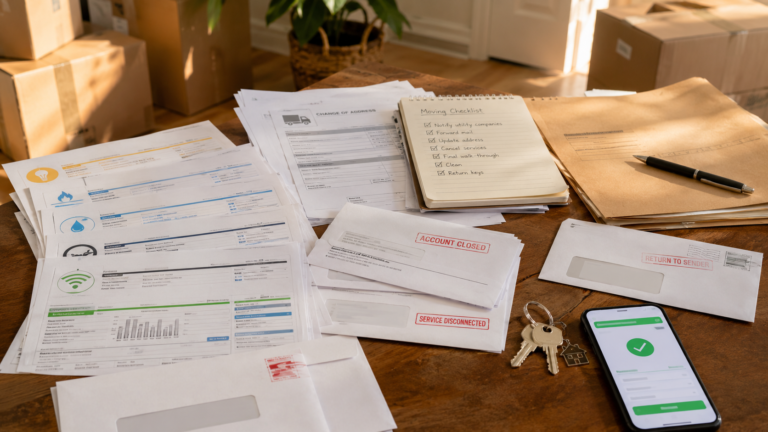
Person reviewing old utility bills and account records while searching for unclaimed utility deposits and refunds
WHAT YOU NEED TO KNOW

Old Utility Accounts Can Leave Money Behind

A refundable utility deposit or account credit doesn’t necessarily disappear because you moved or forgot about it. When a utility company can’t successfully return money to a former customer, the funds may eventually be transferred to a state unclaimed property program. Utility deposits, customer overpayments, and similar refunds are among the types of property that can end up in state custody.

The best search strategy is usually two-part: contact the original utility provider when the account was closed relatively recently, and search official state unclaimed property databases for older balances. Pay particular attention to every state and previous address where you’ve maintained utility service.
In This Guide
UTILITY DEPOSITS EXPLAINED

What Are Unclaimed Utility Deposits?

Utility companies sometimes require customers to pay a security deposit when opening an account. This may happen when a customer has limited payment history, doesn’t meet a provider’s credit requirements, or is establishing a particular type of service. The deposit gives the provider some protection against unpaid bills.

Eventually, that deposit may become refundable. Depending on the provider and circumstances, it might be returned while the account is still active, credited against future charges, applied to a final bill, or refunded after the account closes. If a refund or remaining credit can’t successfully be returned to the customer, the money may eventually become unclaimed property.

How Does a Utility Deposit Become Unclaimed Money?

Moving is one of the easiest ways to lose track of a utility refund. Within a few days, you might close electric, gas, water, internet, and cable accounts, pay final bills, change your mailing address, return equipment, and establish services at a new home. A $50 or $100 credit expected from an old account can easily get lost in the shuffle.

The utility generally doesn’t get to keep forgotten customer money indefinitely. Unclaimed property laws establish rules governing when certain abandoned customer balances must be reported and transferred to the appropriate state. The applicable dormancy period and reporting requirements can vary by state and property type, so an older deposit may no longer be held by the utility company itself.

What Types of Utility Money Can Go Unclaimed?

Don’t limit your search to something specifically described as a “security deposit.” Money associated with an old utility account can originate in several ways and may be listed under a broader refund, customer credit, overpayment, or utility-related property category.
  • Electric company security deposits
  • Natural gas or heating utility deposits
  • Water and sewer account deposits
  • Final account credit balances
  • Customer overpayments and billing refunds
  • Telephone service deposits or credits
  • Cable and internet account refunds
  • Other refundable account or service deposits
Utility Accounts Worth Checking
Did You Know?
Unclaimed property isn’t limited to forgotten bank accounts, insurance proceeds, and old paychecks. Utility security deposits and customer overpayments can also become unclaimed property. That makes your history of previous addresses particularly valuable when searching for money connected to old household accounts.
Moving can create the perfect conditions for a small utility refund or account credit to be overlooked.
HOW TO SEARCH

How to Find Unclaimed Utility Deposits and Refunds

The best place to search depends largely on how long ago you closed the account. A recent refund may still be sitting with the provider, while an older balance may already have been transferred to a state unclaimed property office. Work from the most recent accounts backward, and use your address history to identify accounts you may have forgotten.
1

Make a List of Your Previous Addresses

Start by writing down the places you’ve lived, especially addresses where you were responsible for household utilities. Include apartments, rental houses, college housing where you personally established service, and homes you owned.

You don’t need a perfect record before searching. Even an approximate address history can help you remember which electric company, municipal water department, gas provider, telephone company, or internet provider served you at the time.
2

Contact the Utility Company for Recent Accounts

If you closed the account recently, start with the provider. Ask whether the account had a security deposit, final credit balance, overpayment, or refund when it was closed. If money is still being held by the company, resolving it directly may be faster than waiting for it to become reportable as unclaimed property.

Provide your former service address and the name under which the account was opened. An old account number is useful if you have one, but don’t assume you can’t ask about an account simply because you’ve lost the number.
3

Search the State's Official Unclaimed Property Database

For older accounts, search the official unclaimed property program for the state associated with the account. Search under your full name and reasonable variations, then compare any potential matches with your former addresses.

A result may identify the reporting company, property type, former address, or other information that helps you determine whether the money came from an old utility account. Don’t dismiss a listing simply because the description doesn’t say “utility deposit.” It could instead appear as a refund, credit balance, customer overpayment, or another property classification.
4

Expand the Search to Every State Where You've Lived

A common mistake is searching only where you live today. If you paid a utility deposit while living somewhere else, the associated unclaimed property may be held by another state’s program.

Search every state connected with your address history. This becomes particularly important for people who moved frequently for college, military service, employment, marriage, or retirement. You can also use MissingMoney.com, which is endorsed by NAUPA, to search participating state unclaimed property databases more broadly.
5

Gather Proof Before Filing Your Claim

Once you’ve found a likely match, follow the instructions provided by the state holding the property. You may be asked for government-issued identification and evidence connecting you with the address or account shown in the state’s records.

Useful evidence can include an old utility statement, lease, mortgage document, tax record, bank statement, driver’s license history, insurance document, or other record showing your name at the former address. Don’t worry if you no longer have the original utility bill. State programs can often accept other forms of documentation, although requirements vary.
Your Address History May Matter More Than Your Account Numbers
People often assume they can’t find an old utility deposit because they no longer remember the account number—or even the provider. That’s usually not a reason to abandon the search. Start with where you lived and when you lived there. Those two pieces of information can help reconstruct which companies provided your household services and can make it much easier to recognize a matching unclaimed property record.
WHERE UTILITY MONEY GETS LOST

Common Situations That Can Lead to Unclaimed Utility Money

Utility deposits and refunds are especially easy to overlook because they often become payable during a move, account closure, or other transition. These are some of the situations worth thinking about as you reconstruct your account history.

You Moved Before the Refund Arrived

You closed your utility accounts and provided a forwarding address, but a deposit refund or final account credit was mailed after you moved. If the check was returned or never cashed, the money may eventually have been transferred to a state unclaimed property program.

Your Deposit Was Never Applied to the Final Bill

Some customers assume their original security deposit automatically covered part of their final bill. Depending on the provider, however, a remaining deposit balance may have been issued separately as a refund, making it easier to miss after the account was closed.

You Had a Credit Balance When Service Ended

Security deposits aren’t the only source of missing utility money. An overpayment, billing adjustment, estimated-bill correction, or payment made shortly before an account closed could leave you with a positive balance that the provider attempted to return.

You Don't Remember the Utility Company

This is common when searching for money from an address you left many years ago. Instead of trying to remember every provider first, search the state’s unclaimed property database under your name and compare results with your former addresses. You can investigate the reporting company after finding a potential match.

The Account Was Under a Former Name

A utility account established before a marriage, divorce, or legal name change may still be associated with the name you used at that time. Searching only your current name could cause you to overlook a matching record.

The Utility Account Belonged to Someone Who Died

A deceased relative may have left behind a utility deposit, final credit, or refund from a former residence. An executor, administrator, or eligible heir may be able to claim the money, but the state will generally require additional documentation establishing the claimant’s authority or relationship to the owner.
Utility refunds are often small compared with lost retirement accounts or life insurance benefits, but that doesn’t make them irrelevant. More importantly, an old address that produces one utility-related match may lead you to other unclaimed property associated with the same period of your life.
SEARCH SMARTER

Expert Tips for Finding Old Utility Deposits

A basic name search takes only a few minutes, but a more deliberate search can uncover records that aren’t immediately obvious. These strategies are particularly useful if you’ve moved frequently or are looking for accounts from many years ago.

Search Name Variations

Try your full legal name, first initial and last name, middle initial, former names, and other variations you actually used. Older account records don't always match the way your name appears today.

Use Old Addresses to Confirm Matches

A former service address can be one of the strongest clues that a listing belongs to you. When a state search result provides address information, compare it with apartments, homes, and other addresses from your past.

Search the State Where You Lived, Not Just Where You Live Now

Unclaimed property from an old utility account may be associated with a state you left years ago. Build your search around your residential history rather than your current ZIP code.

Look Beyond the Words "Utility Deposit"

Property descriptions vary. A forgotten balance could be categorized as a customer refund, credit balance, overpayment, miscellaneous check, utility deposit, or another type of unclaimed property.

Don't Pay Just to Search

Official state unclaimed property searches are free. You do not need to pay a finder or recovery service simply to determine whether a state is holding property in your name.

Search Again Periodically

Finding nothing today doesn't necessarily mean an old utility balance will never appear. Companies report unclaimed property according to applicable dormancy and reporting schedules, so a recently abandoned balance may not yet be in the state's database.
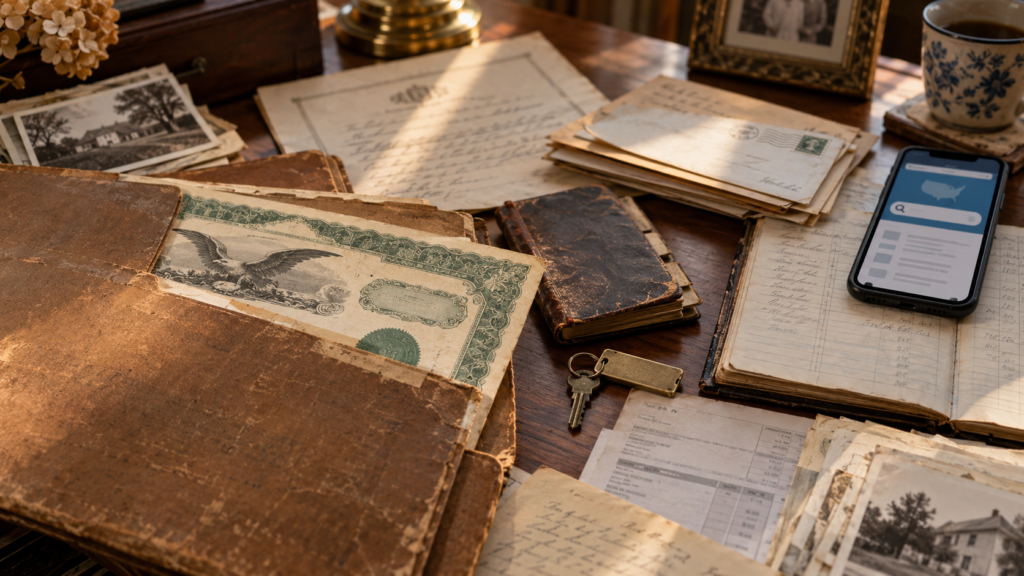

Searching for utility money works best as part of a broader unclaimed property review. Once you’ve searched the names and addresses associated with your old utility accounts, use the same information to look for forgotten bank accounts, uncashed checks, insurance proceeds, investment accounts, and other property.
WHERE TO SEARCH

Official Resources for Finding Unclaimed Utility Deposits

Start with government unclaimed property programs and established organizations that can direct you to them. A legitimate search should not require you to pay simply to see whether property is being held in your name.

State Unclaimed Property Programs

Every U.S. state maintains an official unclaimed property program where dormant bank account funds may eventually be reported. Searching the state where the account was originally opened should always be your first step.

National Association of Unclaimed Property Administrators (NAUPA)

NAUPA provides educational information about unclaimed property and helps consumers locate official state programs. It’s a trusted resource for understanding how unclaimed property laws work across the United States.

Your Former Utility Provider

For a relatively recent account closure, the original electric, gas, water, municipal utility, phone, cable, or internet provider may be the best first contact. Ask specifically about security deposits, final account credits, overpayments, and uncashed refund checks.
Use official government websites whenever you file a claim. Commercial services may offer assistance finding unclaimed property, but searching a state’s official database and submitting a claim directly to the state is generally free.
UTILITY DEPOSIT FAQ

Frequently Asked Questions About Unclaimed Utility Deposits

Old utility accounts can raise questions that aren’t obvious from a basic unclaimed property search. These answers address some of the issues that commonly arise when tracking down deposits, credits, and refunds.
How do I know if an old utility company owes me a deposit?
For a recently closed account, contact the provider and ask whether a security deposit was held and how it was applied when the account ended. For older accounts, search the appropriate state’s unclaimed property database because the provider may already have transferred an unclaimed balance to the state.
Yes. An account number can make researching a recent account easier, but it usually isn’t necessary to begin an unclaimed property search. Your name, former address, state, and approximate service dates can be more useful starting points.
There is no standard amount. Deposits depend on the utility, service, customer history, and applicable rules. The amount ultimately reported as unclaimed may also differ from the original deposit if part of it was applied to a final bill.
The exact process depends on the provider and account. A deposit may be applied to the final bill, refunded separately, or handled according to the utility’s applicable terms and regulations. If a refund remains unclaimed long enough, it may eventually be reported to a state unclaimed property program.
Search the state’s unclaimed property database before spending significant time tracking down the old company. If the business previously reported the balance as unclaimed property, the state may now hold it. If not, researching mergers, acquisitions, municipal records, or successor companies may help identify who assumed the old provider’s obligations.
Possibly, but first determine what the payment actually was. A deposit paid directly to an electric, gas, water, or other utility is different from a rental security deposit or utility payment held by a landlord. Different state laws and claim procedures may apply depending on who held the money and why.
Potentially. If the property has been reported in your parent’s name, the state may allow an executor, administrator, surviving relative, or other eligible claimant to file for it. Expect to provide documentation related to the owner’s death, your relationship or legal authority, and possibly the estate.
Once property has been transferred to a state unclaimed property program, states generally safeguard it for the rightful owner rather than treating the claim like an expiring rebate. Claim procedures vary, however, so follow the instructions from the state actually holding the property.
CONTINUE EXPLORING

Other Places Your Money May Be Waiting

An overlooked utility deposit often has one thing in common with other unclaimed property: a move, account closure, or address change broke the connection between you and your money. If you’re already reviewing old addresses, use that information to broaden your search.
Person reviewing old bank statements while searching for money from an inactive bank account
What Happens to an Inactive Bank Account?
An old checking or savings account can eventually be classified as abandoned and transferred to a state unclaimed property program. Learn when this happens, where the money goes, and how to find and claim an inactive bank account.
Learn More →
Person reviewing old pay stubs and employment records while searching for an uncashed paycheck
How to Find and Claim an Uncashed Paycheck
An old paycheck doesn't necessarily mean lost money. Learn where uncashed payroll checks and forgotten wages go, how to search for them, and what to do if a former employer no longer has the money.
Learn More →
Person reviewing old tax returns and financial records to find an unclaimed IRS tax refund
How to Find Unclaimed IRS Tax Refunds
The IRS may owe you money because you never filed a return, a refund check was returned or lost, or a payment never reached your bank account. Here’s how to determine whether you have an unclaimed federal tax refund and what to do to recover it.
Learn More →
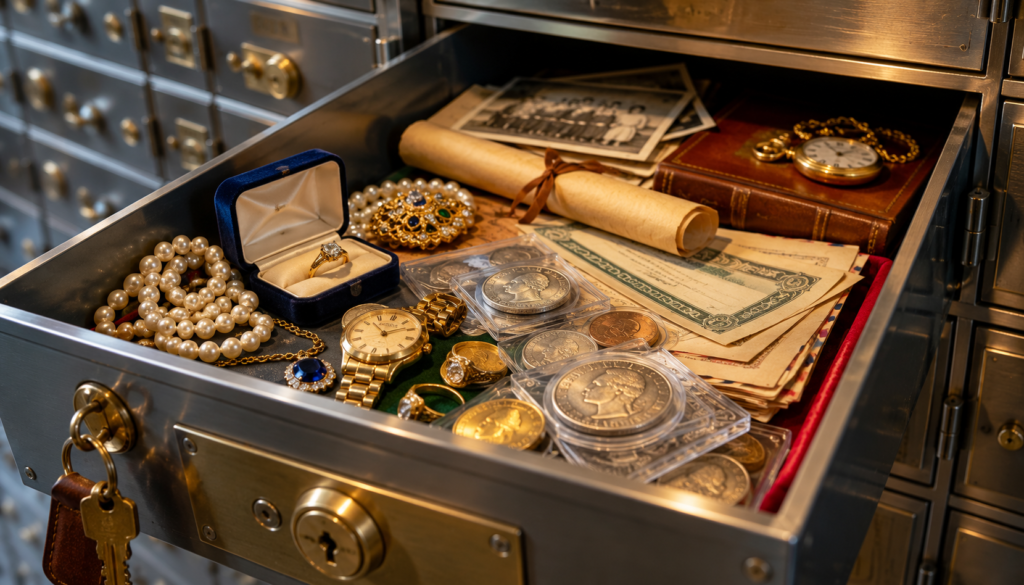
Open safe deposit box containing valuables and documents representing unclaimed property
How to Find an Unclaimed Safe Deposit Box After Someone Dies
A deceased relative's forgotten safe deposit box may not be lost forever. Learn how to determine whether one existed, where its contents may have been transferred, and how to claim abandoned property from the state.
Learn More →
Organized archival pension files, retirement booklets, employment records, and benefit statements on a large research table.
How to Find an Old Pension
Millions of Americans have earned pension benefits they never collect. Learn how to locate an old pension, identify the plan administrator, search government resources, and claim the retirement benefits you've earned.
Learn More →
A thorough unclaimed money search is rarely about checking just one category. Your previous names, addresses, employers, financial institutions, and service providers create a trail that can help uncover several different types of forgotten property.
READY TO START?

See If Unclaimed Money Is Waiting for You

An old utility deposit may have started with an apartment or house you haven’t thought about in years. Use your address history to search official state databases, check other states where you’ve lived, and expand your search beyond utilities while you’re there.
Scroll to Top