
PROPERTY & REFUNDS
Uncashed Checks & Outstanding Payments
Millions of checks go uncashed every year. Payroll checks, tax refunds, insurance payments, dividends, rebates, and settlement checks are often misplaced, forgotten, or never delivered. When the rightful owner cannot be located, these funds may eventually be reported to a state unclaimed property program.
This guide explains how uncashed checks become unclaimed money, the types of payments most commonly involved, and how to begin your search.
This guide explains how uncashed checks become unclaimed money, the types of payments most commonly involved, and how to begin your search.
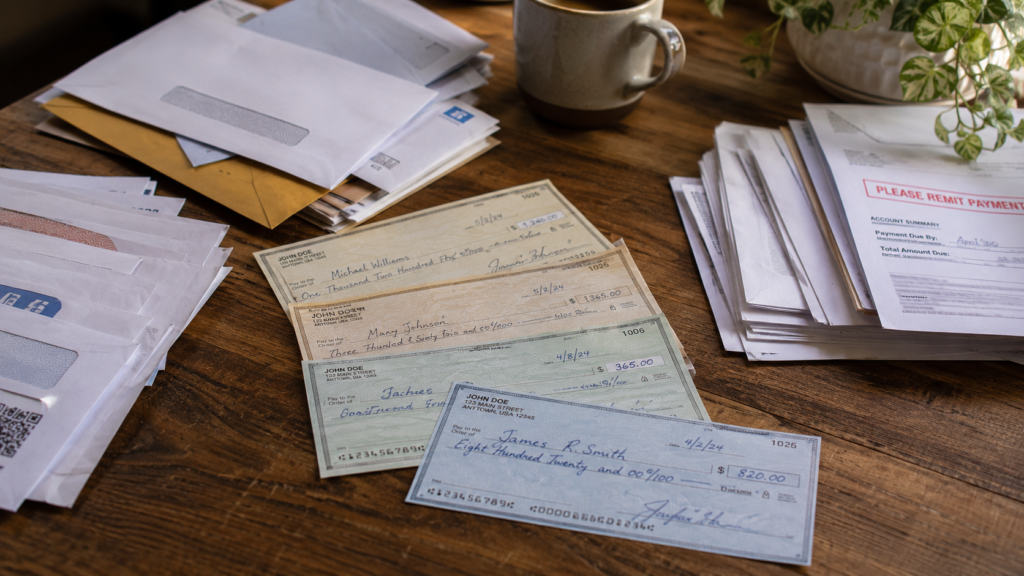
UNCASHED CHECKS EXPLAINED
Understanding Uncashed Checks and Outstanding Payments
Uncashed checks are one of the most common sources of unclaimed money. When a check is never deposited, returned as undeliverable, or forgotten by the recipient, the issuing company or organization may eventually transfer the funds to a state unclaimed property program.
Payroll Checks
Unclaimed wages are frequently tied to payroll checks that were never received or deposited. Job changes, moves, and outdated contact information are common causes.
Refund Checks
Tax refunds, utility refunds, rebates, and other refund payments often become unclaimed when they are mailed to old addresses or never cashed.
Insurance & Settlement Checks
Insurance claims, class action settlements, and legal settlements frequently generate checks that remain outstanding because recipients cannot be located.
COMMON TYPES OF UNCASHED CHECKS
Dividend Checks
Investment-related dividend payments are commonly reported as unclaimed property.
Rebate Checks
Manufacturer and government rebate programs sometimes generate checks that go uncashed.
Vendor Payments
Business payments may remain outstanding when recipients move or fail to deposit the funds.
Commission Checks
Sales commissions and incentive payments are often forgotten after employment changes.
Benefit Payments
Government and benefit-related payments may remain outstanding when delivery issues occur.
Customer Refund Checks
Many companies issue refund checks that are never deposited by the intended recipient.
Many people discover uncashed checks years after they were originally issued. Even if the original check is no longer valid, the underlying funds may still be recoverable.
CHECK RECOVERY GUIDES
Find Money From Lost and Uncashed Checks
Whether you’re searching for a missing payroll check, a forgotten refund, or an old dividend payment, these guides can help you understand where to search and how to recover the funds.

The original paper check may no longer be valid, but that does not necessarily mean the money is gone. In many cases, the funds remain available through the issuing organization or a state unclaimed property program.
WHY ASSETS BECOME UNCLAIMED
Why Checks Become Uncashed and Unclaimed
Most uncashed checks are not the result of fraud or accounting errors. Instead, they are usually tied to everyday life events such as moving, changing jobs, switching banks, or simply overlooking a payment.
People Move
Checks are frequently mailed to outdated addresses. If a recipient moves before the payment arrives, the check may never be delivered.
Checks Are Forgotten
Small refunds, dividends, rebates, and other payments are easy to overlook, especially when they arrive unexpectedly.
Employment Changes Occur
Workers who change jobs may lose track of payroll checks, commissions, bonuses, and other employment-related payments.
Banking Habits Change
Many people rely on direct deposit today, making paper checks easier to misplace or ignore when they arrive.
COMMON PATH TO AN UNCLAIMED CHECK
1.
Check Is Issued
2.
Check Is Never Deposited
3.
Issuer Attempts Contact
4.
Funds Become Outstanding
5.
Money Is Reported to State Program
COMMON CLAIM SITUATIONS
Which Situation Sounds Most Like Yours?
Uncashed check searches often begin with a missing payment, an old piece of mail, or a forgotten financial record. If one of these situations sounds familiar, it may help guide your search.
I Never Received My Payroll Check
A former employer may have issued a payment that was never successfully delivered.
Payroll • Wages
I Found an Old Check
Even if a check is expired, the funds behind it may still be recoverable.
Expired Checks • Recovery
I Moved and Missed a Refund
Address changes are a common reason refund checks become unclaimed.
Refunds • Address Changes
I Think I Missed Dividend Payments
Investors often overlook small dividend checks that accumulate over time.
Dividends • Investments
I Never Cashed an Insurance Check
Insurance claims and settlement payments are common sources of outstanding funds.
Insurance • Claims
I Don't Know Who Issued the Check
Many people remember a payment but no longer know which company or agency issued it.
Unknown Issuer • Search
UNCASHED CHECK FAQS
Frequently Asked Questions
Learn more about uncashed checks, expired checks, outstanding payments, and recovering funds that may still belong to you.
Can uncashed checks become unclaimed property?
Yes. If a check remains uncashed and the owner cannot be located, the issuer may eventually report the funds to a state unclaimed property program.
What happens to money behind an expired check?
The paper check may no longer be valid, but the underlying funds often remain payable through the issuer or state unclaimed property office.
Can I recover money from an old payroll check?
In many situations, yes. Unclaimed wages and payroll checks are commonly reported as unclaimed property after remaining outstanding.
What types of checks become unclaimed property?
Payroll checks, refund checks, dividend payments, insurance checks, rebate checks, commission payments, and settlement checks are among the most common examples.
How do I search for uncashed checks?
Start with official state unclaimed property databases and review old financial records, tax documents, and employment records.
What if I don't know who issued the check?
State databases, old correspondence, and financial records may help identify the company, employer, or agency responsible for the payment.
Can heirs claim money from uncashed checks?
Yes. Depending on the circumstances, heirs and estate representatives may be eligible to claim outstanding funds after providing supporting documentation.
Is there a time limit to claim money from an uncashed check?
Requirements vary by state, but ownership rights often remain available long after the original check expires.
Are dividend checks commonly reported as unclaimed property?
Yes. Dividend checks are one of the most frequently reported investment-related payment types.
Is searching for uncashed checks free?
Yes. Official state unclaimed property databases are free to search and are often the best place to begin.
START YOUR SEARCH
Ready to Search for Uncashed Checks?
Whether you’re looking for a forgotten payroll check, refund payment, dividend check, or other outstanding funds, official state databases can help determine whether money may still be waiting to be claimed.