
INVESTMENT ASSETS
Unclaimed Stocks, Investments & Brokerage Accounts
Investment assets can become unclaimed when account owners lose track of brokerage accounts, move without updating contact information, or inherit investments they never knew existed. Stocks, mutual funds, dividends, bonds, and other investment assets may eventually be transferred to state unclaimed property programs if the owner cannot be located.
This guide explains how investment-related assets become unclaimed, the most common types of forgotten investments, and how to begin your search.
This guide explains how investment-related assets become unclaimed, the most common types of forgotten investments, and how to begin your search.
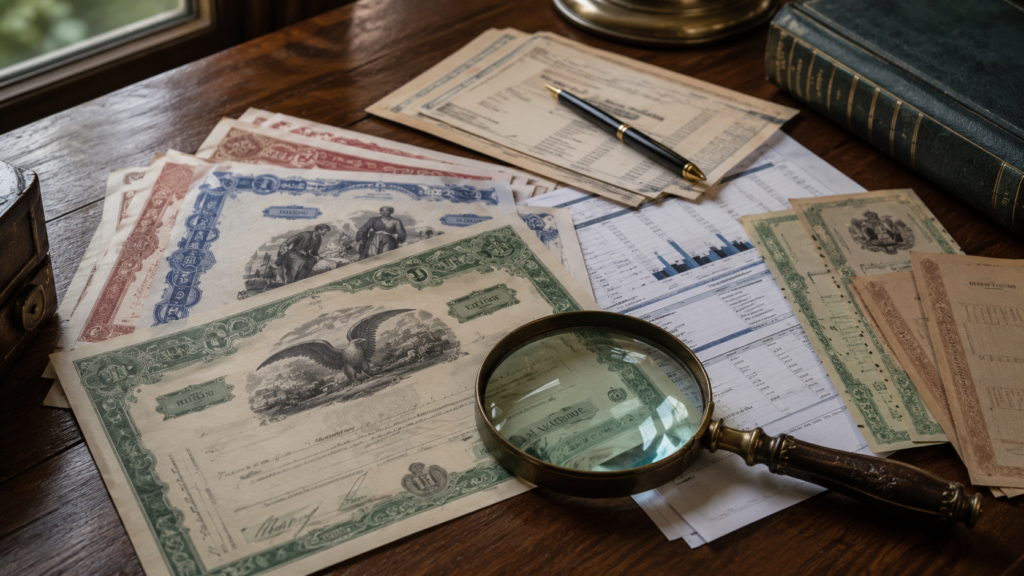
INVESTMENT ASSETS EXPLAINED
Understanding Unclaimed Stocks and Investment Assets
Investment assets often become unclaimed when owners lose track of accounts, forget about older investments, or fail to update contact information after moving. While many people think only bank accounts become unclaimed property, stocks, dividends, brokerage accounts, and other investment assets are frequently reported to state programs as well.
Brokerage Accounts
Brokerage accounts can become dormant when investors stop using them or lose track of accounts opened years earlier. Inactive accounts may eventually be transferred to a state’s unclaimed property program.
Stocks & Securities
Individual stock holdings are among the most commonly forgotten investment assets. Paper certificates, inherited shares, and stock purchased through former employers are frequent sources of unclaimed property.
Mutual Funds & Investment Accounts
Mutual funds and managed investment accounts may become unclaimed when owners move, fail to update contact information, or lose access to account records.
COMMON INVESTMENT ASSETS
Unclaimed Dividends
Dividend payments may become unclaimed when checks are never received or remain uncashed.
Stock Certificates
Physical stock certificates are frequently forgotten, inherited, or misplaced over time.
Corporate Merger Shares
Investors sometimes lose track of shares following mergers, acquisitions, or company name changes.
Bonds
Savings bonds and investment bonds may remain unclaimed long after they mature.
DRIP Accounts
Dividend reinvestment plans are commonly forgotten because they operate separately from brokerage accounts.
Employee Stock Plans
Former employees often overlook stock purchase plans or company stock benefits after changing jobs.
Many investors discover forgotten stocks and investment accounts years after they were originally purchased. Even when account records have been lost, ownership can often still be verified through brokerage firms or state programs.
INVESTMENT GUIDES
Find Lost Stocks, Dividends and Investment Accounts
Whether you’re searching for forgotten stock certificates, unclaimed dividends, or investment accounts opened years ago, these guides can help you identify potential assets and understand where to search.


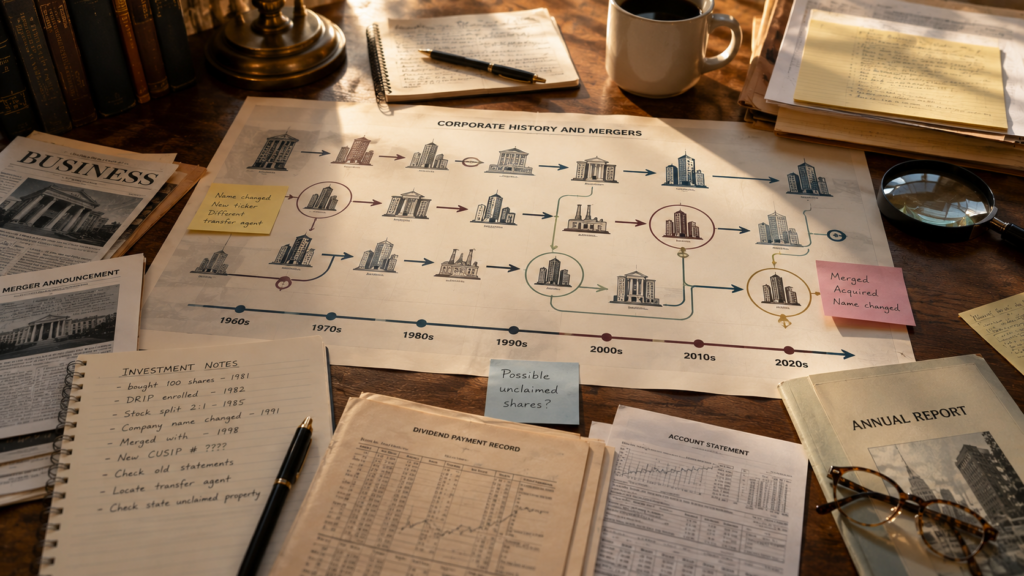
Many forgotten investments remain hidden because owners no longer receive account statements or dividend notices. Reviewing old financial records and searching state databases can help uncover assets that may still belong to you.
WHY ASSETS BECOME UNCLAIMED
Why Stocks and Investment Accounts Become Unclaimed
Unlike checking accounts or insurance policies, investment assets often remain hidden because owners may not actively monitor them. Small stock purchases, reinvested dividends, inherited shares, and older brokerage accounts can easily be forgotten over time.
Investors Lose Track of Older Accounts
Many investment accounts are opened decades before they become relevant again. Changes in financial advisors, brokerage firms, and account management practices can make older accounts difficult to track.
Corporate Changes Create Confusion
Company mergers, acquisitions, stock splits, and name changes often make it difficult for investors to recognize that they still own shares in a company.
Dividend Checks Go Uncashed
Uncashed dividend payments are a common source of unclaimed property. Over time, repeated attempts to contact shareholders may fail, leading assets to be reported to state programs.
Contact Information Becomes Outdated
Brokerage firms rely on current addresses and contact information. When account holders move or fail to update records, firms may lose the ability to communicate with investors.
COMMON PATH TO UNCLAIMED PROPERTY
1.
Investment Account Becomes Inactive
2.
Dividend Payments Go Uncashed
3.
Brokerage Firm Loses Contact
4.
Assets Reported to State Program
5.
Owner Discovers and Claims Assets
COMMON CLAIM SITUATIONS
Which Investment Situation Sounds Most Like Yours?
Investment-related claims often begin with an old stock certificate, a forgotten brokerage account, or an unexpected reference to shares owned years ago. If one of these situations sounds familiar, it may help direct your search.
I Found Old Stock Certificates
Physical stock certificates may still represent ownership interests even if the company has changed names or merged with another business.
Stock Certificates • Share Ownership
I Had an Investment Account Years Ago
Brokerage accounts opened years earlier are often forgotten after changing firms, advisors, or investment strategies.
Brokerage Accounts • Investments
I Inherited Stocks
Inherited investments are frequently overlooked when estates are settled or records are incomplete.
Estate Assets • Inherited Shares
My Company Was Acquired
Corporate mergers and acquisitions often create confusion about stock ownership and replacement shares.
Mergers • Corporate Changes
I Received Dividend Checks Years Ago
Dividend payments may indicate active ownership of shares that still exist today.
Dividends • Shareholder Records
I Don't Know Where My Investments Were Held
Many investors remember owning shares but cannot recall the brokerage firm or transfer agent that managed the account.
Unknown Brokerage • Asset Search
INVESTMENT ASSET FAQS
Frequently Asked Questions
Learn more about unclaimed stocks, investment accounts, dividends, mutual funds, and other investment-related assets.
How do I find unclaimed stocks?
Begin by reviewing old brokerage statements, stock certificates, tax records, and dividend notices. State unclaimed property databases may also contain stock holdings that were transferred after prolonged inactivity.
Can stocks become unclaimed property?
Yes. Stocks and other securities may be reported as unclaimed property when account owners cannot be contacted or accounts remain inactive for extended periods.
What if I lost my stock certificates?
Lost certificates do not necessarily mean ownership is lost. Transfer agents and brokerage firms often maintain records that can help verify ownership and replace missing certificates.
How do I find forgotten brokerage accounts?
Review old tax returns, account statements, and financial records. Former brokerage firms and state unclaimed property programs may also help identify inactive accounts.
Can unclaimed dividends be recovered?
Yes. Unclaimed dividends are often recoverable through brokerage firms, transfer agents, or state unclaimed property programs, depending on where the assets are currently held.
What happens to investments after a company merger?
Ownership rights generally continue after mergers and acquisitions. Shares may be converted into stock of the acquiring company or exchanged according to the terms of the transaction.
Can inherited investments become unclaimed property?
Yes. Beneficiaries may be unaware that investments exist, causing inherited assets to remain dormant and eventually be reported as unclaimed property.
Are savings bonds considered unclaimed property?
In some situations, matured savings bonds and other bond-related assets may become unclaimed if the owner cannot be located.
What if I don't remember where my investments were held?
State databases, tax records, dividend statements, and old financial documents can often help identify brokerage firms, transfer agents, and investment providers.
Is searching for unclaimed investments free?
Yes. Official state unclaimed property databases are free to search and are often the best starting point for locating forgotten investment assets.
START YOUR SEARCH
Ready to Search for Unclaimed Stocks and Investments?
Whether you’re looking for forgotten stock certificates, unclaimed dividends, brokerage accounts, or inherited investments, official state databases can help you determine whether investment assets may still belong to you.