How to Find Unclaimed Stocks and Dividends
Fortunately, many of these assets can still be recovered. Whether your investments remain with a brokerage, a transfer agent, or have already been turned over to a state unclaimed property office, there are several free resources that can help you locate and reclaim what belongs to you.
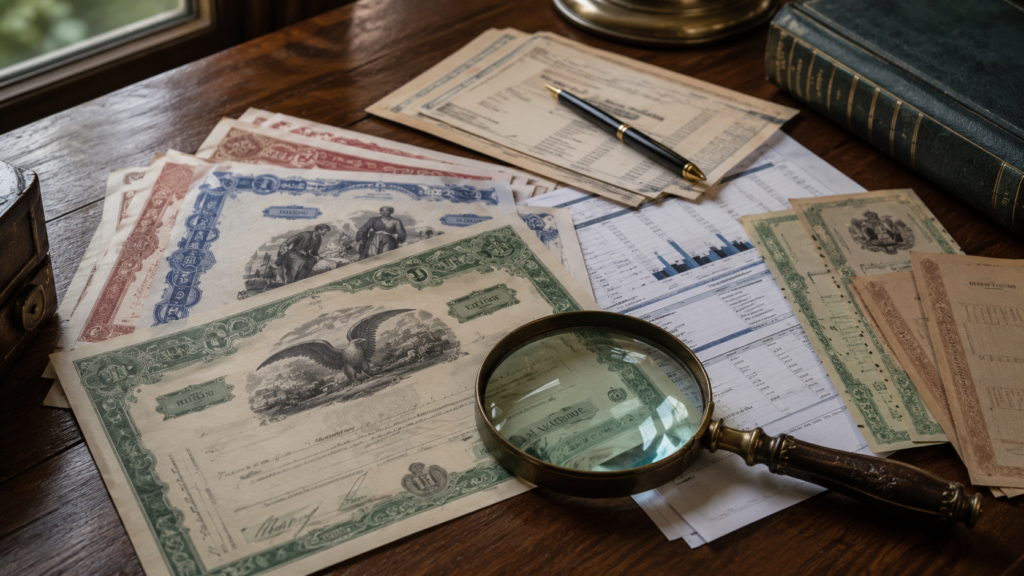
Forgotten Investments Can Often Be Recovered
The key is knowing where to search. A complete search should include state unclaimed property databases, transfer agents, brokerage records, dividend payment history, and inherited family investments. Many successful claims involve assets that owners completely forgot existed.
In This Guide
- Search state unclaimed property databases
- Locate forgotten brokerage accounts
- Track down missing dividend payments
- Recover lost paper stock certificates
- Search inherited investments
- Avoid costly recovery scams
Recovering Lost Stocks Doesn't Have to Be Complicated
Why Investments Become Unclaimed
State laws require financial institutions and corporations to safeguard abandoned assets by eventually transferring them to state unclaimed property programs. This process protects investors by ensuring their property is held until the rightful owner claims it.
How Dividend Payments Become Lost
Over time, these unpaid dividends—and sometimes the underlying shares—may be reported as abandoned property.
What About Old Stock Certificates?
- Forgotten brokerage accounts
- Employee stock purchase plans
- Dividend reinvestment plans (DRIPs)
- Physical stock certificates
- Inherited investment accounts
- Mutual fund shares
- Corporate mergers and acquisitions
- Dividend checks that were never cashed
Common Places Investors Forget Assets
- Former employers
- Old brokerage firms
- Transfer agents
- Dividend reinvestment plans
- Mutual fund companies
- Inherited estates
- College savings investments
- Corporate mergers
Did You Know?

How to Find Unclaimed Stocks and Dividends
Search Every State Where You've Lived
Don’t forget states where you attended college, worked temporarily, or owned investment property.
Review Old Financial Records
Even an account number or company name can significantly speed up your search.
Contact Transfer Agents
If you remember owning shares of a particular company, the transfer agent may help verify ownership or direct you to the appropriate records.
Search Former Brokerage Accounts
Provide previous addresses, approximate dates, and any account documentation you still possess.
Investigate Family Investments
Many forgotten investments are discovered years after probate because stock ownership wasn’t fully documented.
Where People Most Often Discover Forgotten Investments
You Changed Addresses Without Updating Your Brokerage
You Worked for a Public Company
You Inherited Investments
You Still Have Old Paper Stock Certificates
Dividend Checks Were Never Cashed
You Used Multiple Investment Firms
Improve Your Chances of Finding Forgotten Investments
Search Every Previous Name
If you've changed your name because of marriage, divorce, or another legal reason, search under every variation. Companies often retain historical ownership records using the original registration name.
Check Every State You've Lived In
Investments may have been reported to the state where you lived when the account became dormant—not necessarily where you live today. Search every state where you've lived, worked, or attended college.
Review Old Tax Returns
Dividend income reported on previous tax returns can reveal forgotten brokerage firms, mutual funds, or publicly traded companies you once owned.
Don't Throw Away Old Statements
An outdated brokerage statement or dividend notice may contain account numbers, CUSIP numbers, or shareholder information that makes recovering your investments much easier.
Ask Family Members
Older relatives sometimes remember investments that younger family members have forgotten. Conversations with parents, siblings, or estate executors often uncover valuable clues.
Use Free Resources First
Legitimate searches for unclaimed stocks should begin with official state databases and company records. Be cautious of businesses demanding upfront fees simply to perform searches that are available at no cost.