How to Find Forgotten Bank Accounts
This guide explains how bank accounts become forgotten, where to search, what information you’ll need, and the practical steps you can take to recover money that may still be waiting.

How Do You Find Forgotten Bank Accounts?
Old statements, savings passbooks, interest tax forms, and bank correspondence can help identify an account. If the original bank merged or failed, you may need to trace a successor institution or use FDIC resources. Finding an old account record is a starting point; the bank or agency holding the funds must confirm whether money remains available.
In This Guide
- Why bank accounts become forgotten
- Where to search first
- Documents you'll need
- How dormant accounts work
- Common mistakes to avoid
- What to do after you find an account
Forgotten Bank Accounts at a Glance
Why Bank Accounts Become Forgotten
Forgotten bank accounts are surprisingly common. A checking account opened during college, a savings account created for a child, or an account left behind after moving or changing banks can easily disappear from day-to-day memory. When there is no account activity for several years and the bank can no longer contact the owner, state law may require those funds to be turned over to the state’s unclaimed property office for safekeeping.
How Does a Bank Account Become Unclaimed?
If those attempts are unsuccessful and no qualifying account activity occurs, the remaining balance is generally transferred to the state’s unclaimed property program. Although the bank no longer holds the funds, the money still belongs to the original owner or, in many cases, their legal heirs.
Accounts That Are Commonly Forgotten
- Checking accounts
- Savings accounts
- Money market accounts
- Certificates of deposit (CDs)
- Credit union share accounts
- Holiday savings accounts
- Youth or custodial savings accounts
- Trust accounts with remaining balances
Common Reasons Accounts Are Forgotten
- Switched banks and stopped using the account
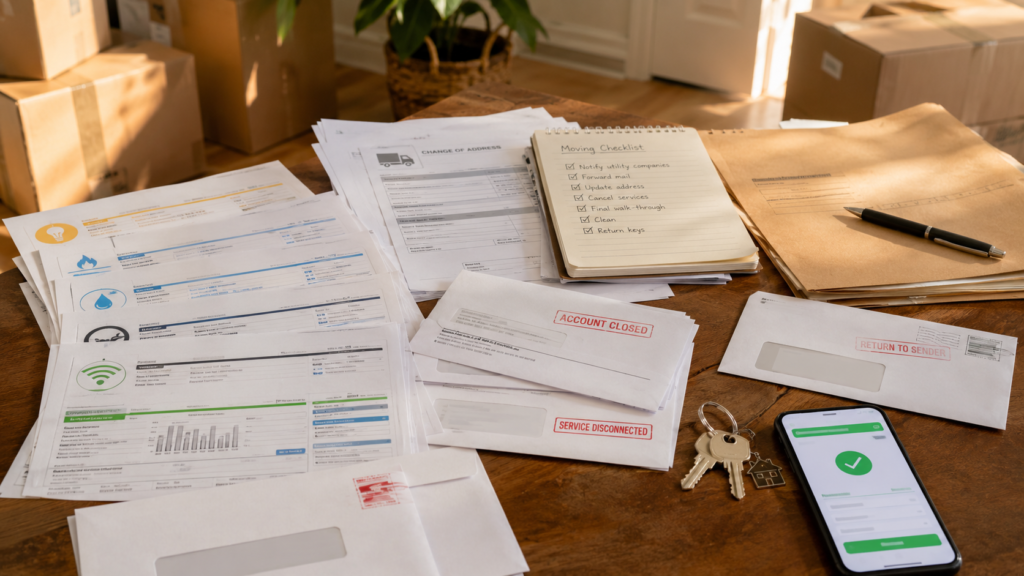
- Moved without updating your mailing address
- Changed your name after marriage or divorce
- Forgot an account opened years ago
- A family member opened an account on your behalf
- The bank merged with another institution
- You believed the account had already been closed
- Statements were sent to an old address
Did You Know?
How to Find Forgotten Bank Accounts
Search Your State's Official Database
Compare Results With Your Records
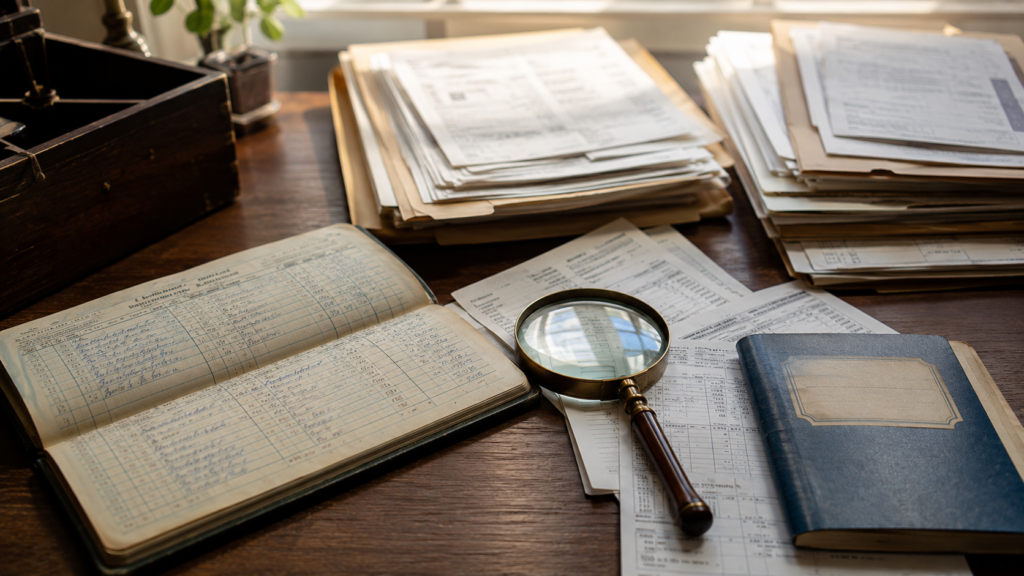
Review Old Financial Records
Contact the Financial Institution
Gather Your Documentation
Which Situation Sounds Most Like Yours?
I Don't Remember the Bank
I Opened the Account Years Ago
I Moved Several Times
The Bank Closed or Merged
I Changed My Name
I'm Searching for a Family Member
Tips That Can Improve Your Search
Search Every State You've Lived In
Many forgotten accounts are reported in the state where the account was originally opened, not where you live today. If you've moved multiple times, search every state where you've lived, worked, or attended school to avoid overlooking dormant accounts.
Search Previous Names
If you've changed your name because of marriage, divorce, or another legal reason, search each variation separately. Banks and state databases may still list an account under the name that was on file when it became dormant.
Check Old Tax Returns
Interest earned on checking and savings accounts is often reported on your tax return, making it a valuable research tool. Reviewing older returns may help you identify banks or credit unions you've completely forgotten about.
Don't Forget Credit Unions
Credit union share accounts can become unclaimed property just like traditional checking or savings accounts. Include every credit union you've belonged to in your search, even if it later merged or changed its name.
Review Old Email Accounts
Older email accounts often contain welcome messages, electronic statements, or online banking confirmations that identify forgotten accounts. Search for terms like "checking account," "savings account," "statement," or the names of banks you've used in the past.
Keep Track of Your Searches
Create a simple list or spreadsheet showing which states, banks, and databases you've already searched. Keeping organized records will save time, prevent duplicate searches, and make it easier to follow up if you locate a potential match.