SAFE DEPOSIT BOXES

How to Find an Unclaimed Safe Deposit Box After Someone Dies

After a loved one passes away, families often focus on bank accounts, retirement plans, insurance policies, and real estate. One asset that’s surprisingly easy to overlook is a safe deposit box. If no one knew it existed, years can pass before anyone realizes valuable belongings—or important legal documents—were locked away in a bank vault.

What many people don’t realize is that banks don’t keep abandoned safe deposit boxes forever. When rental payments stop and no authorized person claims the contents, state law generally requires banks to inventory the box and transfer eligible property to the state’s unclaimed property program after the applicable dormancy period. That means a forgotten safe deposit box doesn’t necessarily disappear—it may simply have a new custodian waiting for the rightful heirs to come forward.

Whether you’re settling an estate, researching your family history, or discovering financial records years after probate closed, this guide explains how to determine whether a deceased relative had a safe deposit box, how to find out if the contents have already been turned over to the state, and the steps to recover abandoned property legally.
Updated

July 2026

Reading Time

12 min

Category

Safe Deposit Boxes

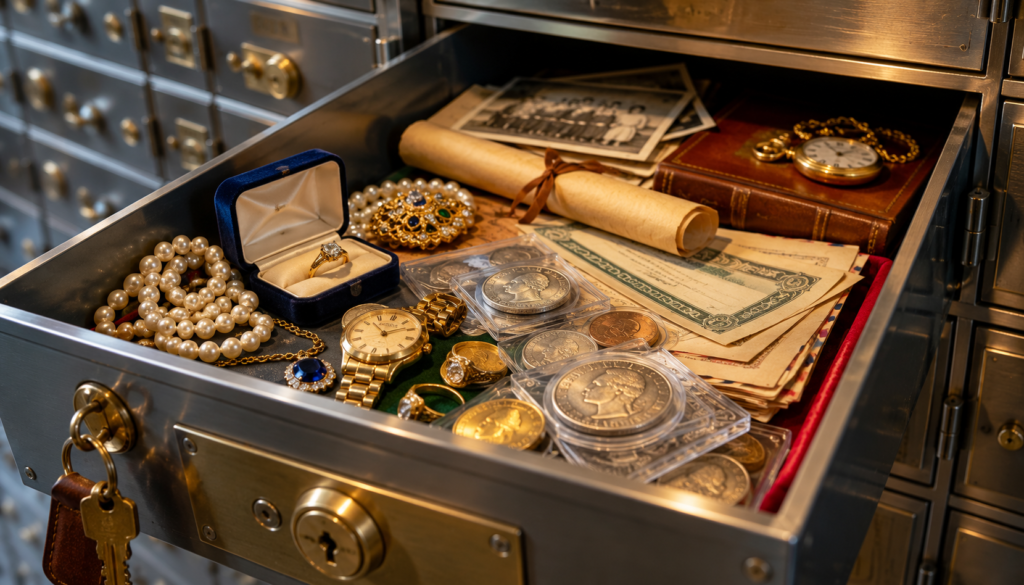
Open safe deposit box containing valuables and documents representing unclaimed property
WHAT YOU NEED TO KNOW

Forgotten Safe Deposit Boxes Often Become Unclaimed Property

Many people assume that if a deceased family member rented a safe deposit box, the bank will automatically contact the heirs. In reality, banks generally have no way of knowing who should receive the contents unless someone notifies them of the customer’s death and provides the legal authority to access the box. If that never happens, the box can quietly become abandoned.

After the dormancy period established by state law, the bank typically drills open the safe deposit box, inventories its contents, and transfers eligible property to the state’s unclaimed property office. Instead of remaining at the bank, the contents are safeguarded by the state until the rightful owner or heirs file a successful claim. That’s why searching your state’s unclaimed property database is often just as important as contacting the bank itself.
In This Guide
UNDERSTANDING SAFE DEPOSIT BOXES

Why Forgotten Safe Deposit Boxes Become Unclaimed Property

Unlike checking accounts or credit cards, safe deposit boxes generate very little ongoing activity. A small annual rental fee may be the only indication that the box exists. If a person dies without telling family members about it—or if no one recognizes the rental charge—the box can easily remain untouched for years.

Eventually, banks must comply with their state’s unclaimed property laws. Rather than storing abandoned property indefinitely, financial institutions are required to safeguard the contents, follow notification procedures, and, after the required dormancy period, transfer eligible items to the state’s unclaimed property administrator. The state then holds the property until the rightful owner or heirs submit a valid claim.

How Banks Handle Abandoned Safe Deposit Boxes

Every state has its own abandoned property laws, but the overall process is similar. After the required period of inactivity and unsuccessful attempts to contact the renter, the bank opens the safe deposit box under controlled procedures. The contents are carefully inventoried, documented, and prepared for transfer to the state.

Items with obvious monetary value—such as jewelry, collectible coins, precious metals, savings bonds, stock certificates, and other financial assets—are commonly transferred. Personal papers may also be included, although procedures differ depending on state law. Some states preserve documents of historical or legal significance, while others have specific rules regarding items with little monetary value.

Why Families Often Miss Them

Many heirs assume that probate automatically uncovers every financial asset. Unfortunately, that’s not always the case. If the executor never knew the safe deposit box existed, there may have been nothing to investigate. Families often discover clues years later while cleaning out a home or reviewing old records.

Some of the most common discoveries include an unfamiliar bank key, an annual rental charge on an old checking account, correspondence from a bank that no longer exists, or references in estate planning documents. Even if the bank has merged or changed names, the contents may already be waiting in a state unclaimed property program.
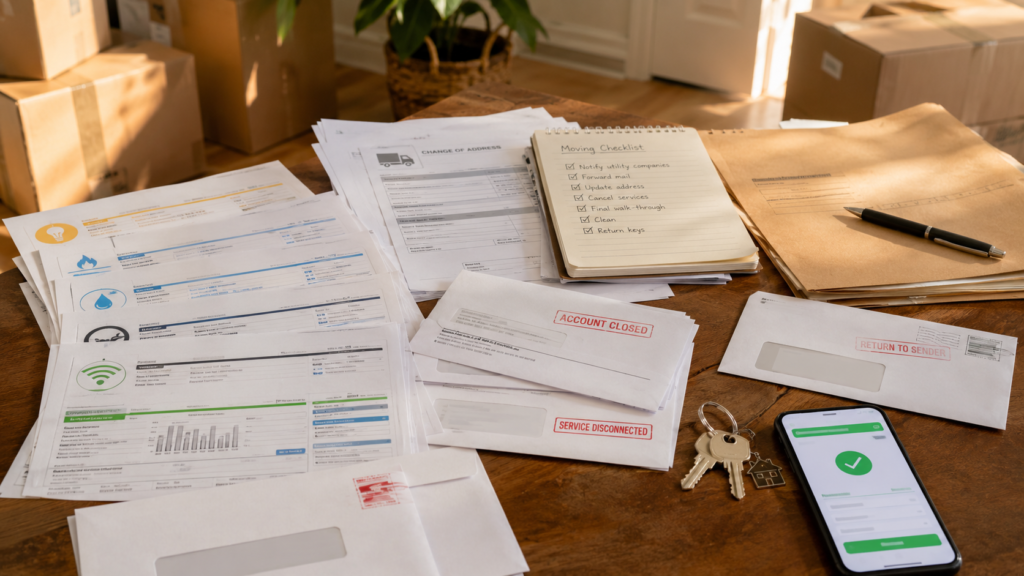
  • Review checking account statements for annual safe deposit box rental charges.
  • Search unopened mail for bank notices or renewal invoices.
  • Look for keys stored with passports, wills, or insurance documents.
  • Review tax records that identify financial institutions the deceased used.
  • Contact banks where the deceased maintained checking or savings accounts.
  • Search official unclaimed property databases in every state where the deceased lived.
Signs There May Be an Unclaimed
Safe Deposit Box
Did You Know?
Many states receive the contents of thousands of abandoned safe deposit boxes every year. While cash is often reported separately as unclaimed funds, jewelry, coins, savings bonds, stock certificates, and other valuables may remain available for heirs to claim years—or even decades—later.
Once a bank transfers abandoned safe deposit box contents to the state, heirs typically work with the state’s unclaimed property office—not the bank—to recover eligible property.
STEP-BY-STEP GUIDE

How to Find an Unclaimed Safe Deposit Box After Someone Dies

Finding an unclaimed safe deposit box is usually a process of following clues. In many cases, the bank no longer has possession of the contents because they were transferred to the state’s unclaimed property program years ago. Starting with the deceased person’s financial history and working methodically through each step gives you the best chance of recovering forgotten property.
1

Look for Evidence That a Safe Deposit Box Existed

Begin by reviewing the deceased person’s financial records. Annual safe deposit box rental fees often appear as small recurring charges on checking account statements or canceled checks. These transactions may identify the bank where the box was originally rented.

Also search through filing cabinets, desk drawers, home safes, and estate planning documents for safe deposit box keys, rental agreements, bank correspondence, or references in wills and trusts. Even a single old key can provide an important clue.
2

Contact Banks Where the Deceased Did Business

Once you’ve identified financial institutions the deceased used, contact each bank’s estate services department or local branch. Explain that you’re trying to determine whether the individual maintained a safe deposit box and ask about the bank’s procedures.

If the bank still has an active box, they will explain what documentation is required before access can be granted. If the box was previously abandoned, the bank can often tell you when the contents were transferred to the state and which state agency received them.
3

Search Every Relevant State's Unclaimed Property Database

If the bank no longer has the contents—or if you aren’t sure where the safe deposit box was located—search the official unclaimed property website for every state where the deceased lived, worked, owned property, or maintained banking relationships.

Remember that many people relocate throughout their lives. A safe deposit box rented decades ago may still have been reported to the state where the bank branch was located, even if the person later moved elsewhere.
4

Gather the Required Documentation

Once you’ve located abandoned safe deposit box contents, you’ll need to prove your right to claim them. While every state has its own requirements, most claims require documentation showing both the owner’s death and your legal relationship or authority to act on behalf of the estate.

Common documents include certified death certificates, probate documents, Letters Testamentary or Letters of Administration, government-issued identification, and records establishing your relationship to the deceased.
5

Submit Your Claim and Monitor Its Progress

Complete the state’s claim process carefully and provide all requested documentation. Missing paperwork is one of the most common reasons claims are delayed.

After the claim is approved, the state will explain how the property will be returned. Depending on the type of property, this may involve shipping physical items, returning documents, or issuing payment if certain assets were liquidated under state law.
Unclaimed Money Insight:
Don’t stop after finding one safe deposit box. If your relative lived in multiple states or used several banks over the years, repeat the search in each state. Many families discover additional unclaimed property during the same process, including forgotten bank accounts, stock dividends, savings bonds, or uncashed checks.
COMMON SITUATIONS

Every Search Is Different

No two estates are exactly alike. Some families discover a safe deposit box immediately, while others don’t realize one existed until years after probate has closed. The following situations are among the most common reasons people begin searching for abandoned safe deposit box contents.

The Estate Was Settled Years Ago

Many executors never knew a safe deposit box existed. If you recently uncovered new financial records, it’s still worth searching the appropriate state unclaimed property databases because abandoned contents may still be waiting to be claimed.

You Found an Old Safe Deposit Box Key

A key doesn’t necessarily mean the bank still has the box. However, it provides an excellent starting point for identifying the original financial institution and determining whether the contents were transferred to the state.

The Bank Closed or Changed Names

Bank mergers happen frequently. Even if the original branch no longer exists, the successor institution may have records showing what happened to the safe deposit box before the contents were reported as unclaimed property.

Your Relative Lived in Several States

Always search every state where the deceased lived or maintained financial relationships. Safe deposit box contents are generally reported to the state where the bank branch was located—not necessarily the owner’s final residence.

Probate Never Mentioned a Safe Deposit Box

This is more common than many people realize. If no one knew the box existed during probate, it may never have been included in the estate inventory. That doesn’t prevent eligible heirs from filing a claim if the contents were later transferred to the state.

You Already Found Other Unclaimed Property

Finding one forgotten asset often leads to another. Individuals who had dormant bank accounts or uncashed checks may also have maintained a forgotten safe deposit box that eventually became abandoned.
Recovering a safe deposit box often uncovers much more than financial assets. Families regularly discover military records, original deeds, family photographs, heirloom jewelry, and other irreplaceable items that might otherwise have remained forgotten indefinitely.
EXPERT TIPS

Increase Your Chances of Finding Abandoned Safe Deposit Box Contents

Searching for abandoned property is often a matter of thorough research rather than luck. These practical tips can help you avoid common mistakes and improve your chances of locating forgotten safe deposit box contents.

Search Under Every Name Variation

Search using maiden names, middle initials, previous married names, nicknames, and common spelling variations. Small differences in a name can affect search results.

Check More Than One State

People frequently maintain banking relationships long after moving away. Search every state where the deceased lived, worked, attended college, served in the military, or owned property.

Review Financial Records Before Contacting Banks

Knowing where someone banked makes the process much faster. Old checking account statements, tax records, and canceled checks often identify the correct institution immediately.

Don't Assume the Property Is Gone

Many people mistakenly believe abandoned safe deposit box contents are discarded after a certain number of years. In many states, eligible property remains claimable indefinitely or for an extended period.

Look Beyond Jewelry

Safe deposit boxes often contain items that have significant legal or sentimental value rather than high dollar value. Original wills, military discharge papers, stock certificates, family photographs, and property deeds can be just as important as valuables.

Search for Other Unclaimed Property at the Same Time

Once you're researching a deceased relative, take advantage of the opportunity to search for forgotten bank accounts, insurance proceeds, stock dividends, utility deposits, tax refunds, and uncashed checks. Families frequently recover multiple types of unclaimed property through a single search.
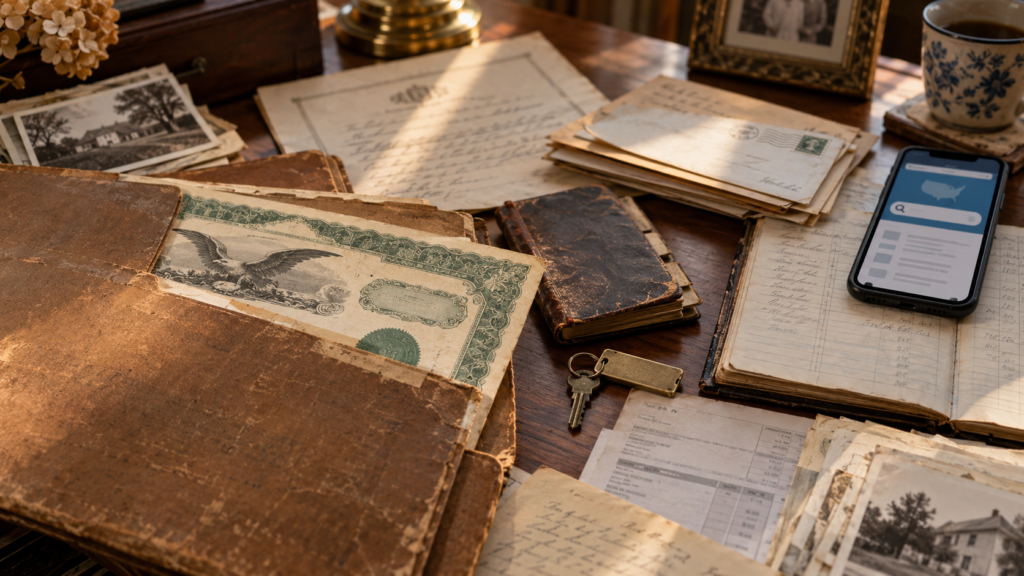

The most successful searches are usually the most thorough. Taking time to review financial records carefully and searching every relevant state can uncover assets that have remained forgotten for years.
OFFICIAL RESOURCES

Trusted Resources for Finding Unclaimed Safe Deposit Box Contents

The safest place to search for abandoned safe deposit box contents is through official government programs and established organizations. These resources can help you determine whether property has been reported and explain the documentation required to file a claim.

State Unclaimed Property Programs

Every state administers its own unclaimed property program and maintains records of abandoned safe deposit box contents that have been transferred by financial institutions. If you locate property, this is the office that will process your claim and verify your eligibility.

National Association of Unclaimed Property Administrators (NAUPA)

NAUPA represents the state agencies responsible for administering unclaimed property programs throughout the United States. Its website provides links to every official state unclaimed property office, making it one of the best starting points for nationwide searches.

Federal Deposit Insurance Corporation (FDIC)

The FDIC provides consumer education about banks, safe deposit boxes, and financial institution responsibilities. Although it does not process unclaimed property claims, it offers helpful information about banking practices and consumer protections.

Office of the Comptroller of the Currency (OCC)

The OCC supervises national banks and publishes consumer guidance on banking services. Its educational resources can help explain how banks manage safe deposit boxes and what happens when accounts become inactive.
Remember that official state unclaimed property searches are always free. If a company asks you to pay simply to search for abandoned property, you can usually perform the same search yourself through your state’s official unclaimed property program.
FREQUENTLY ASKED QUESTIONS

Answers to Common Questions About Unclaimed Safe Deposit Boxes

Searching for a deceased relative’s forgotten safe deposit box can raise many questions, especially if you’re unsure whether one ever existed or whether its contents have already been transferred to the state. The answers below address some of the most common concerns families have during the search process.
How do I know if my deceased relative had a safe deposit box?
There is rarely one obvious answer, so you’ll need to look for clues. Review bank statements for annual rental charges, search through estate planning documents, look for an unidentified bank key, and contact financial institutions where the deceased maintained accounts. If the contents have already been transferred, you may also find them by searching your state’s unclaimed property database.
If the bank is notified of the customer’s death, access to the safe deposit box is generally restricted until the appropriate legal documentation is provided. If no one claims the box and rental payments stop, the bank follows state abandoned property laws. After the required dormancy period, the contents are typically inventoried and transferred to the state’s unclaimed property office.
The timeframe varies by state. Most states require banks to wait several years before reporting abandoned safe deposit box contents as unclaimed property. The exact dormancy period depends on state law and when the last authorized activity or rental payment occurred.
Yes. The closing of probate does not prevent you from searching for forgotten assets. If the safe deposit box was never discovered during estate administration, its contents may still be recoverable through the appropriate state unclaimed property program, although you may need documentation proving your legal right to claim the property.
A key is an excellent clue but doesn’t necessarily mean the bank still has the box. Contact the bank identified on the key, if possible, and ask about its procedures. If the box was abandoned years ago, the bank may be able to tell you when the contents were transferred to the state’s unclaimed property office.
The contents vary widely. Common items include jewelry, watches, collectible coins, precious metals, savings bonds, stock certificates, military records, property deeds, family photographs, passports, wills, and other important personal documents. Some items have significant monetary value, while others are valuable because of their legal or sentimental importance.
No. Official state unclaimed property websites provide free searches. While private companies may offer assistance with locating or filing claims, you can search and file claims directly with the appropriate state agency at no cost.
Yes, but the process depends on state law and the circumstances of the estate. States may require documentation showing who has the legal authority to receive the property, and multiple heirs may need to work together or provide probate documentation before a claim can be approved.
CONTINUE EXPLORING

Related Banking & Unclaimed Money Guides

If you’re researching forgotten bank accounts, these related guides can help you discover other types of unclaimed money, understand the claims process, and improve your search strategy.
Open safe deposit box containing valuables and documents representing unclaimed property
How to Find an Unclaimed Safe Deposit Box After Someone Dies
A deceased relative's forgotten safe deposit box may not be lost forever. Learn how to determine whether one existed, where its contents may have been transferred, and how to claim abandoned property from the state.
Learn More →
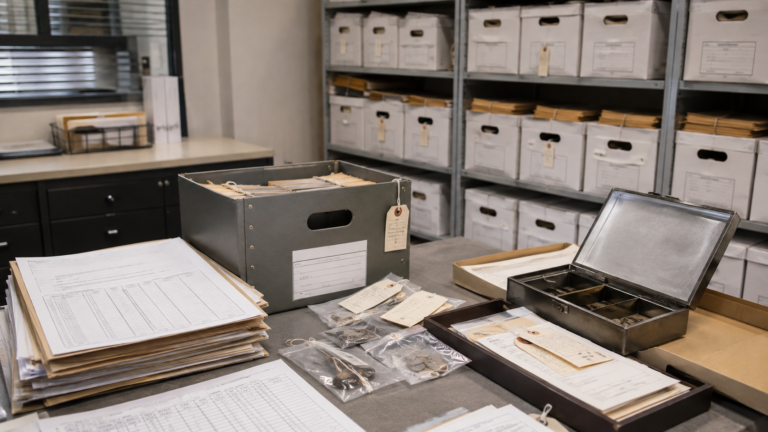
Organized archival pension files, retirement booklets, employment records, and benefit statements on a large research table.
How to Find an Old Pension
Millions of Americans have earned pension benefits they never collect. Learn how to locate an old pension, identify the plan administrator, search government resources, and claim the retirement benefits you've earned.
Learn More →
How to Find Unclaimed Stocks and Dividends
Forgotten stock certificates, uncashed dividend checks, and abandoned brokerage accounts may eventually become unclaimed property. Learn how to search for lost investments, determine whether you are entitled to them, and claim what belongs to you.
Learn More →
How to Find Unclaimed Life Insurance Benefits
Millions of dollars in life insurance benefits go unclaimed every year because beneficiaries don't know a policy exists. Learn how to search for forgotten life insurance policies, identify potential benefits, and successfully file a claim.
Learn More →
Forgotten bank accounts are just one type of unclaimed property. Exploring related guides can help you identify additional financial assets that may still belong to you or your family.
READY TO START?

Start Searching for Forgotten Bank Accounts Today

The sooner you begin your search, the easier it may be to locate forgotten bank accounts and gather the documents needed to claim them. Official state databases are free to search, and many people are surprised by what they discover.
Scroll to Top