INACTIVE & DORMANT BANK ACCOUNTS

What Happens to an Inactive Bank Account?

If you leave money sitting in a checking or savings account for years without making a transaction or contacting the bank, the account can eventually be classified as inactive, dormant, or abandoned. But that does not necessarily mean the bank gets to keep your money.

After a period of inactivity determined by state law, the bank may be required to transfer the balance to a state unclaimed property program. This process is sometimes called “escheatment.” Once that happens, you may no longer be able to recover the money directly from the bank—but you can generally search for it and file a claim with the state holding the funds.

Updated

Sept 2026

Reading Time

11 min

Category

Bank Accounts

Person reviewing old bank statements while searching for money from an inactive bank account
WHAT YOU NEED TO KNOW

Your Money May Be Sent to the State After Years of Inactivity

An inactive bank account doesn’t simply disappear. If you stop using an account and the bank loses contact with you, state unclaimed property laws can eventually require the financial institution to report the account as abandoned and transfer the remaining balance to the appropriate state. According to the Office of the Comptroller of the Currency, this commonly occurs after about three to five years without customer-initiated activity or contact, although the exact period depends on state law.

The important distinction is that the money may still be claimable. Once the balance has been transferred, your search usually shifts from the bank to the state’s unclaimed property program. If you can establish that you are the rightful owner—or an eligible heir—you may be able to recover the funds.
In This Guide
HOW INACTIVE ACCOUNTS BECOME UNCLAIMED

What Happens When You Stop Using a Bank Account?

Leaving $500, $5,000, or even more in an account doesn’t necessarily prevent it from becoming inactive. What matters is generally whether there has been qualifying activity or contact with the account owner—not simply whether a balance remains in the account.

According to federal banking guidance, an account is generally considered abandoned or unclaimed after there has been no customer-initiated activity or contact for roughly three to five years. The actual dormancy period is established by each state’s laws, so there is no single nationwide deadline that applies to every account.

Inactive, Dormant, Abandoned and Escheated: What's the Difference?

These words are sometimes used interchangeably, but they can describe different points in the process. “Inactive” or “dormant” generally describes an account that hasn’t had qualifying activity for a period of time. “Abandoned” or “unclaimed” generally describes property that has reached the applicable dormancy threshold under state law.

“Escheatment” is the term often used for the process of transferring the abandoned funds to the state. Consumers don’t need to know that term to recover their money, but you may encounter it on bank correspondence, state websites, or old account records.

What Can Cause a Bank Account to Become Unclaimed?

There are plenty of reasons a legitimate bank account can be forgotten. Someone may move, change banks, get married and change their name, forget about a small savings account, or lose track of an account opened decades earlier.

Some particularly common situations include:
  • Moving without updating the address associated with the account
  • Opening a savings account and rarely checking it
  • Switching to another bank and leaving money behind
  • Forgetting an account opened as a child or teenager
  • Losing track of an account after a marriage, divorce, or name change
  • Failing to locate an account belonging to a deceased relative
  • Forgetting about a certificate of deposit after it matures
  • Losing records after a bank merger, acquisition, or closure
Signs an Old Account May Be Unclaimed
Did You Know?
Even if the bank you originally used no longer exists, that doesn’t necessarily mean the money disappeared. Federal banking guidance recommends checking the applicable state unclaimed property office when you have old account records but the original bank is gone and its successor cannot locate the account.
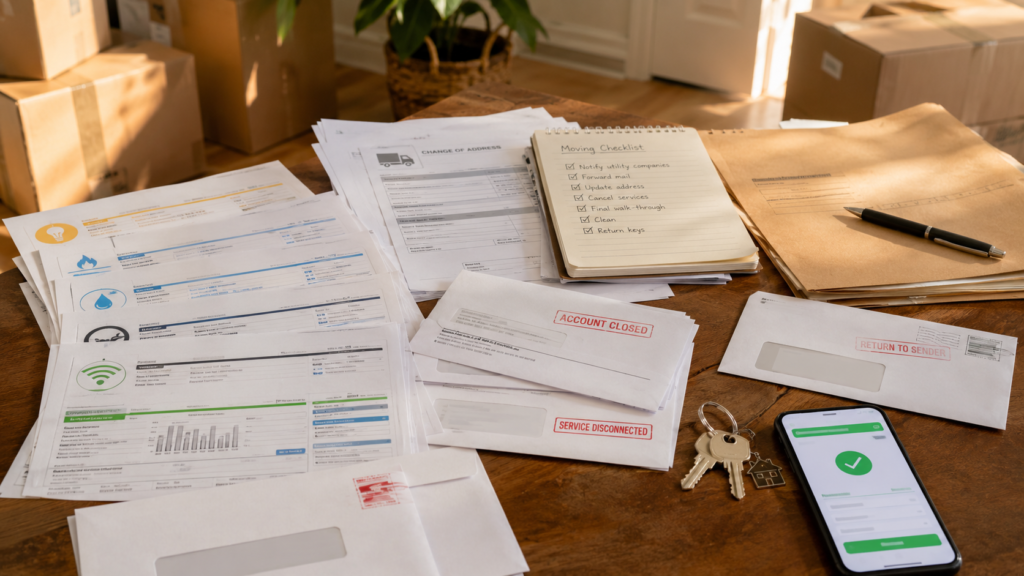
A move, address change, or forgotten account can eventually leave a bank unable to contact the account owner.
FIND YOUR MONEY

How to Find Money From an Inactive or Closed Bank Account

If you think an old checking or savings account may have been transferred to a state, don’t assume the bank is still the best place to search. Start by gathering whatever information you remember about the account, then work through the bank and official state unclaimed property programs.
1

Gather Information About the Old Account

Start with anything that could help identify the account: old bank statements, checkbooks, deposit slips, passbooks, tax documents, emails, or correspondence from the bank. You don’t necessarily need an account number to begin searching.

Write down the name used on the account, the bank’s name, approximate dates, and the address associated with the account. Former addresses can be especially important because unclaimed property records are often tied to the owner’s last known address.
2

Contact the Bank If It Still Exists

If you know which bank held the account, contact it first. Ask whether the account still exists, was closed, was transferred during a merger, or was reported as unclaimed property.

If the money has already been transferred to a state, the bank may no longer be responsible for paying your claim. Ask whether its records indicate where and when the funds were reported.
3

Search the Appropriate State Unclaimed Property Program

Search the official unclaimed property database for the state associated with the account. If you’ve lived in multiple states, search each one rather than assuming the property followed you to your current address.

Search under your full name as well as previous names and reasonable variations. If you’re looking for a deceased relative’s account, search the relative’s name and addresses as they would have appeared when the account was active.
4

Review the Property Details Carefully

A search result may provide the owner’s name, previous city or address, reporting institution, and a general property category. Compare those details with what you know about the old account.

Don’t dismiss a potential match simply because the bank name is unfamiliar. Banks merge and change names, and the institution listed in an unclaimed property database may not be the same name you remember.
5

File a Claim With the State Holding the Money

Once you identify a likely match, follow the state’s instructions to submit a claim. You may be asked for identification and documentation establishing your connection to the owner, former address, or account.

Claims involving deceased owners can require additional documentation establishing the claimant’s authority or relationship to the estate. Requirements vary, so follow the instructions provided by the state holding the property rather than assuming every state uses the same process.
Don't Stop After One Search
If the bank tells you, “We don’t have that account anymore,” don’t treat that as proof that the money is gone. One of the most important clues is whether the account was reported as abandoned property. Once the funds have been transferred, the bank’s inability to pay you directly may simply mean that the state—not the bank—is now where you need to look.
WHY BANK ACCOUNTS GET LOST

Common Situations That Lead to Unclaimed Bank Accounts

Most people don’t deliberately abandon money in a bank account. Instead, accounts become unclaimed because something changes—a move, a new bank, a death in the family, or simply enough time passing that an old account is forgotten. Here are some of the situations that can eventually lead to money being transferred to a state unclaimed property program.

You Forgot About a Small Balance

A forgotten account doesn’t need to contain thousands of dollars to become unclaimed. Even a relatively small leftover balance can eventually be transferred under state unclaimed property laws if the account remains inactive long enough.

The Account Belonged to a Deceased Relative

Bank accounts can become unclaimed when an owner dies and family members don’t know the account exists. An heir or estate representative may eventually discover the account through old financial records or an unclaimed property search and may be able to claim it with the required documentation.

You Moved and Forgot to Update the Bank

A move is one of the easiest ways to lose contact with an old financial institution. If notices continue going to a previous address and you stop using the account, the bank may eventually classify it as dormant and later report the funds as unclaimed property.

The Bank Merged or Changed Names

The name on an old statement may no longer appear on a branch or website because banks frequently merge, are acquired, or change names. The account may have moved to a successor institution, or an unclaimed balance may eventually have been transferred to a state.

You Switched Banks but Didn't Completely Empty the Old Account

You might transfer most of your money to a new bank while leaving a small balance behind for outstanding checks or automatic payments. Years later, that forgotten balance can become unclaimed property if there is no further activity or contact.

You Found an Old Childhood Savings Account

Parents and grandparents frequently open savings accounts for children, and those accounts can be forgotten as families move or children become adults. If you find an old passbook, statement, or other record, search both the financial institution and the appropriate state unclaimed property database.
These situations also explain why searching only your current name and address can miss legitimate property. When looking for old bank accounts, think historically: previous addresses, previous names, old banks, accounts opened by relatives, and every state where you have lived or conducted financial business.
SEARCH SMARTER

Expert Tips for Finding an Old Bank Account

A basic name search is a good beginning, but forgotten bank accounts can date back many years. A more methodical search can uncover records that aren’t immediately obvious, particularly if you’ve moved, changed your name, or used several financial institutions.

Search Every State Where You've Lived

Don't limit your search to your current state. Check official unclaimed property databases in states connected to previous homes, jobs, businesses, and financial relationships.

Try Previous and Alternate Names

Search maiden names, previous married names, middle initials, and reasonable variations of your name. Older financial records may not match the exact name you use today.

Make a List of Former Addresses

Old addresses can be extremely helpful when deciding whether a search result belongs to you. Check tax returns, credit reports, old licenses, leases, mortgage records, or other documents if you have trouble remembering addresses from years ago.

Don't Ignore an Unfamiliar Bank Name

A reporting institution may be a successor to the bank you originally used. If the owner's name, location, and other details look familiar, investigate the result rather than rejecting it solely because you don't recognize the institution.

Search for Deceased Family Members

Parents and grandparents may have left behind checking accounts, savings accounts, CDs, or other financial property their families didn't know existed. Eligible heirs and estate representatives may be able to pursue those funds, although the documentation requirements are generally more extensive.

Repeat Your Search Periodically

Unclaimed property databases aren't static. Financial institutions continue reporting property, so an account that doesn't appear today could potentially be reported later.


Finding nothing in your first search doesn’t necessarily mean there is nothing to find. Old financial accounts can take different paths depending on the institution, state, type of account, and when it became inactive. Keep notes about where you’ve searched so you can expand or repeat your search efficiently.
WHERE TO SEARCH

Official Resources for Finding Inactive Bank Accounts

The safest approach is to begin with government agencies and established unclaimed property resources. You should not have to pay a company simply to search an official state unclaimed property database.

State Unclaimed Property Programs

Every U.S. state maintains an official unclaimed property program where dormant bank account funds may eventually be reported. Searching the state where the account was originally opened should always be your first step.

National Association of Unclaimed Property Administrators (NAUPA)

NAUPA provides educational information about unclaimed property and helps consumers locate official state programs. It’s a trusted resource for understanding how unclaimed property laws work across the United States.

Federal Deposit Insurance Corporation (FDIC)

The FDIC offers consumer guidance on banks, deposit insurance, and financial institution changes such as mergers and closures. It can help explain what happens when banks are acquired or cease operations.

Office of the Comptroller of the Currency

The OCC provides consumer guidance about inactive and abandoned bank accounts, including what can happen when an account has had no customer-initiated activity or contact for an extended period. It is particularly useful for understanding how bank accounts can eventually become unclaimed property.
Start with free official resources before paying anyone to locate an old account. A legitimate state unclaimed property search does not require an upfront search fee, and finding a match yourself can often be accomplished in just a few minutes.
INACTIVE BANK ACCOUNT FAQ

Frequently Asked Questions About Inactive Bank Accounts

The rules surrounding dormant and abandoned accounts vary by state, which can make the process seem more complicated than it is. These answers address some of the questions that often come up after someone discovers an old account—or realizes one is missing.
How long can a bank account be inactive before it is closed?
There is no single nationwide deadline. Bank policies can determine when an account is labeled inactive or dormant, while state law determines when property is considered abandoned and subject to unclaimed property reporting. Federal banking guidance notes that accounts are generally considered abandoned after approximately three to five years without customer-initiated activity or contact, depending on state law.
Generally, no. When an account meets the state’s requirements for abandoned property, the remaining funds may be reported and transferred to the state rather than becoming the bank’s money. The owner can then pursue the funds through the state’s unclaimed property claims process.
An account can be closed even when it has a remaining balance. What happens to that balance depends on the circumstances. If the owner cannot be located and the property eventually becomes legally abandoned, the funds may ultimately be transferred to the appropriate state unclaimed property program.
It generally means the funds were transferred under applicable unclaimed property law after the account was considered abandoned. Ask the bank when the transfer occurred and where the money was sent, then search the appropriate state’s official unclaimed property program.
State treatment of unclaimed property varies, so check the rules of the state holding your property. However, you should not assume that an account is too old to search for simply because many years have passed. State programs routinely maintain records for property reported years earlier.
Potentially. The state may require documents showing the owner’s death and your legal authority or right to claim the property. Depending on the circumstances and state requirements, that could involve a death certificate, estate documents, proof of relationship, or other records.
You can still search. State databases generally allow searches by owner name, and other information—such as a former address, city, or reporting institution—can help you identify a likely match. An account number may become helpful later if additional proof of ownership is requested.
First determine whether another financial institution acquired or succeeded the bank. If neither the original bank nor its successor can locate the account, check the relevant state unclaimed property program and, when appropriate, federal resources related to failed financial institutions.
KEEP SEARCHING

More Ways to Find Forgotten Bank Accounts and Unclaimed Money

An inactive bank account is only one way money can become disconnected from its owner. If you’ve moved, changed jobs, handled a relative’s estate, or simply accumulated financial accounts over many years, there may be other types of property worth searching for.
Person reviewing old pay stubs and employment records while searching for an uncashed paycheck
How to Find and Claim an Uncashed Paycheck
An old paycheck doesn't necessarily mean lost money. Learn where uncashed payroll checks and forgotten wages go, how to search for them, and what to do if a former employer no longer has the money.
Learn More →
Person reviewing old tax returns and financial records to find an unclaimed IRS tax refund
How to Find Unclaimed IRS Tax Refunds
The IRS may owe you money because you never filed a return, a refund check was returned or lost, or a payment never reached your bank account. Here’s how to determine whether you have an unclaimed federal tax refund and what to do to recover it.
Learn More →
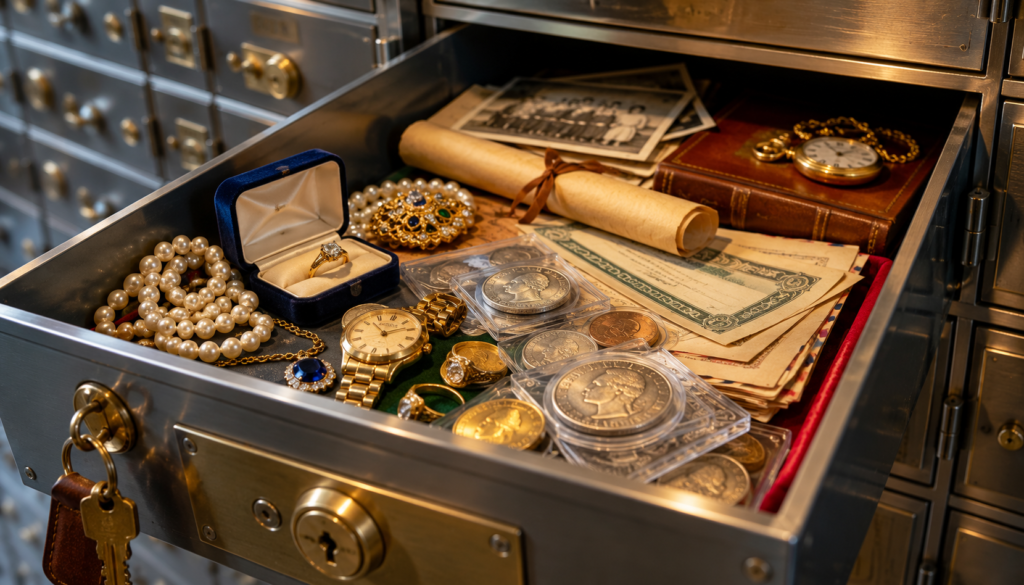
Open safe deposit box containing valuables and documents representing unclaimed property
How to Find an Unclaimed Safe Deposit Box After Someone Dies
A deceased relative's forgotten safe deposit box may not be lost forever. Learn how to determine whether one existed, where its contents may have been transferred, and how to claim abandoned property from the state.
Learn More →
Organized archival pension files, retirement booklets, employment records, and benefit statements on a large research table.
How to Find an Old Pension
Millions of Americans have earned pension benefits they never collect. Learn how to locate an old pension, identify the plan administrator, search government resources, and claim the retirement benefits you've earned.
Learn More →
Learn how to track down old checking and savings accounts when you aren’t sure which bank has the money—or whether the account has already been transferred to a state.
START YOUR SEARCH

See If Your Old Bank Account Became Unclaimed Money

If you haven’t used an old checking or savings account in years, don’t assume the balance disappeared. The money may still be at the bank, it may have moved to a successor institution, or it may now be held through a state unclaimed property program. A free search can help you determine where to look next.
Scroll to Top