
PROPERTY & REFUNDS
Unclaimed Utility Deposits & Account Refunds
Utility deposits are one of the easiest types of unclaimed money to overlook. When people move, close accounts, switch providers, or change addresses, refundable deposits and account credits from electric, gas, water, cable, phone, or internet companies may never reach them.
This guide explains how utility deposits become unclaimed, what types of account refunds may be available, and how to begin your search.
This guide explains how utility deposits become unclaimed, what types of account refunds may be available, and how to begin your search.

UTILITY DEPOSITS EXPLAINED
Understanding Unclaimed Utility Deposits and Account Refunds
Utility-related money often becomes unclaimed when a customer closes an account but does not receive the final refund, credit balance, or deposit return. These funds are commonly tied to old addresses, previous utility providers, and accounts that were opened years earlier.
Security Deposits
Many utility companies require deposits before starting service, especially for new customers or accounts without established payment history. If the account is later closed and the deposit is not returned successfully, the balance may eventually become unclaimed property.
Final Account Credits
Customers may have a remaining credit after their final bill is calculated. These small balances are easy to miss, especially when someone moves and no longer receives mail from the provider.
Service Refunds
Refunds may be issued after overpayments, billing corrections, canceled services, or account adjustments. If the refund check is never cashed or the provider cannot locate the customer, the money may be reported as unclaimed.
COMMON UTILITY REFUNDS
Electric Deposits
Refundable electric service deposits may remain unclaimed after an account is closed.
Gas Deposits
Natural gas account deposits can become unclaimed when customers move or change providers.
Water & Sewer Credits
Municipal utility accounts may generate credits after final billing adjustments.
Cable Refunds
Cable account credits, equipment refunds, or overpayments may remain outstanding.
Internet Account Credits
Internet providers may issue refunds after cancellations or billing corrections.
Phone Service Refunds
Old landline or mobile account balances may become unclaimed if not returned.
Many utility refunds are small, but they can still be worth searching for. If you have moved several times, it is possible to have deposits or credits tied to more than one previous address.
UTILITY DEPOSIT GUIDES
Find Old Utility Deposits, Credits and Account Refunds
Whether you are searching for an old electric deposit, a cable refund, a water account credit, or another utility-related balance, these guides can help you understand where to search and what information may be useful.
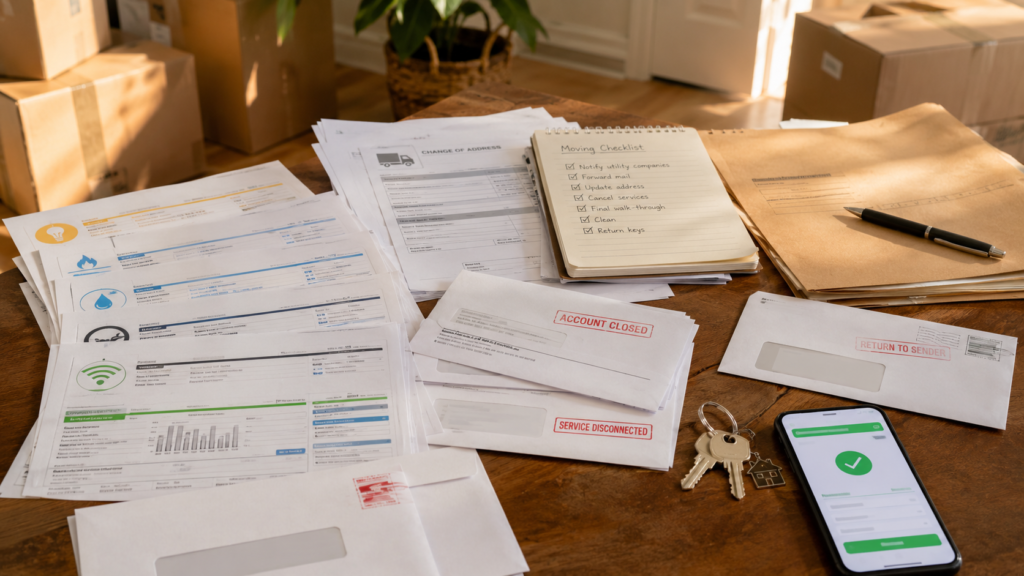
Utility deposits are often connected to old addresses rather than current accounts. Searching previous names, addresses, and states can improve your chances of finding refunds or credits that were never delivered.
WHY ASSETS BECOME UNCLAIMED
Why Utility Deposits and Account Refunds Become Unclaimed
Most unclaimed utility deposits are not the result of a complicated financial issue. They usually happen because someone moved, closed an account, missed a final refund, or failed to update contact information. These small balances can sit unnoticed for years before being reported to a state unclaimed property program.
Customers Move
Moving is the most common reason utility deposits become unclaimed. A final refund check may be mailed to an old address after service is canceled.
Accounts Are Closed
When a customer closes an electric, gas, water, cable, internet, or phone account, the provider may calculate a final balance or deposit refund. If the refund is not delivered, the money may remain outstanding.
Refund Checks Go Uncashed
Some utility companies issue paper checks for account credits or deposit returns. If the check is lost, forgotten, or never cashed, the funds may eventually become unclaimed property.
Contact Information Becomes Outdated
Utility providers rely on accurate mailing addresses, email addresses, and account records. When customer information is outdated, providers may be unable to return the money.
COMMON PATH TO AN UNCLAIMED UTILITY DEPOSIT
1.
Utility Account Is Opened
2.
Deposit or Credit Balance Is Created
3.
Customer Moves or Closes Account
4.
Refund Cannot Be Delivered
5.
Funds Are Reported to State Program
COMMON CLAIM SITUATIONS
Which Utility Deposit Situation Sounds Most Like Yours?
Utility deposit searches often begin after a move, a closed account, or the discovery of an old bill. If one of these situations sounds familiar, it may help you decide where to begin.
I Moved and Never Received My Deposit
You closed a utility account but never received the refundable deposit or final account credit.
Moving • Deposit Refunds
I Had an Old Electric or Gas Account
Deposits from electric and gas accounts are commonly overlooked after customers change addresses or providers.
Electric • Gas Deposits
I Closed a Cable or Internet Account
Cable and internet providers may issue refunds for overpayments, equipment returns, or billing adjustments.
Cable • Internet Refunds
I Found an Old Utility Bill
Old bills can provide account numbers, provider names, service addresses, and dates that may help with a search.
Utility Bills • Account Records
I Lived at Several Previous Addresses
Utility refunds are often tied to old addresses, so every previous residence may be worth checking.
Previous Addresses • State Search
I Do Not Remember the Utility Provider
Even if you do not know the company name, state databases may show reported property connected to your name or address.
Unknown Provider • Unclaimed Search
UTILITY DEPOSIT FAQS
Frequently Asked Questions
Learn more about unclaimed utility deposits, account credits, old refunds, and how previous addresses can affect your search.
How do I find unclaimed utility deposits?
Start by searching official state unclaimed property databases using your name and previous addresses. Old utility bills, account numbers, and provider names can also help identify where a deposit or credit may have been reported.
Can utility deposits become unclaimed property?
Yes. If a utility company cannot return a deposit or account credit to the customer, the funds may eventually be reported to a state unclaimed property program.
What types of utility refunds can become unclaimed?
Electric, gas, water, sewer, cable, internet, phone, and municipal utility refunds may become unclaimed if they are not successfully delivered or cashed.
What happens to a utility deposit after I move?
After service is closed, the utility provider may apply the deposit to the final bill and return any remaining balance. If the refund cannot be delivered, it may later become unclaimed property.
Can old cable or internet refunds be claimed?
Yes. Refunds from canceled cable or internet accounts, equipment deposits, or account overpayments may be reported as unclaimed property.
Do I need the old account number to search?
Not always. An account number can help, but many searches begin with your name, previous addresses, and the state where the account was held.
Should I search previous addresses?
Yes. Utility deposits are often connected to old service addresses, so searching every state where you lived can help uncover funds.
Can small utility balances still be claimed?
Yes. Even small balances may remain claimable after they are transferred to a state unclaimed property program.
What if the utility company no longer exists?
The funds may still be traceable through state databases, successor companies, or unclaimed property records if the balance was reported.
Is searching for unclaimed utility deposits free?
Yes. Official state unclaimed property databases are free to search and are usually the best starting point for finding old utility deposits and account refunds.
START YOUR SEARCH
Ready to Search for Unclaimed Utility Deposits?
Whether you are looking for an old electric deposit, a water account credit, a cable refund, or another utility-related balance, official state databases can help determine whether money may still be waiting to be claimed.