BANKING & FINANCIAL ACCOUNTS

How to Find Forgotten Bank Accounts

Many people are surprised to learn they still have money sitting in forgotten bank accounts opened years—or even decades—ago. Whether you changed banks, moved to a new state, or simply lost track of an old checking or savings account, those funds may still belong to you.

This guide explains how bank accounts become forgotten, where to search, what information you’ll need, and the practical steps you can take to recover money that may still be waiting.

Updated

June 2026

Reading Time

7 min

Category

Banking Guides

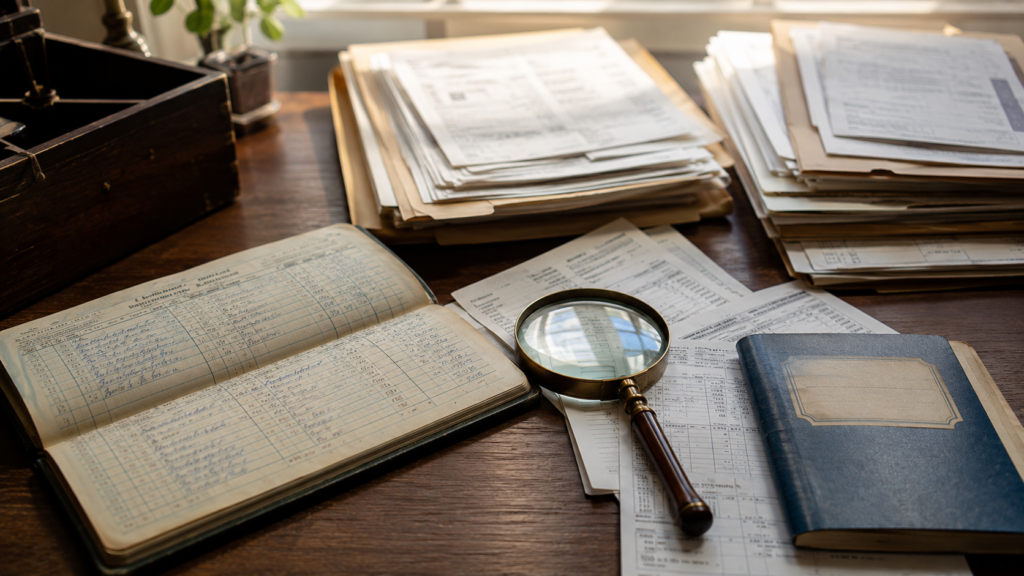
Vintage savings passbook, archived bank records, and financial documents representing forgotten bank accounts
WHAT YOU NEED TO KNOW

How Do You Find Forgotten Bank Accounts?

If you’re trying to find forgotten bank accounts, start by searching your name in your state’s official unclaimed property database. Then review old bank statements, tax returns, and previous addresses to identify financial institutions where you may have opened an account. Even if a bank has merged, closed, or changed names, the money may still be recoverable through state unclaimed property programs.

Many forgotten accounts are discovered years after people move, change banks, or simply lose track of older checking and savings accounts.
In This Guide
WHY ASSETS BECOME UNCLAIMED

Why Bank Accounts Become Forgotten

Every year, millions of dollars are transferred from inactive bank accounts to state unclaimed property programs. In most cases, the money isn’t “lost”—it’s simply sitting in an account that the owner forgot about or no longer remembers opening.

Forgotten bank accounts are surprisingly common. A checking account opened during college, a savings account created for a child, or an account left behind after moving or changing banks can easily disappear from day-to-day memory. When there is no account activity for several years and the bank can no longer contact the owner, state law may require those funds to be turned over to the state’s unclaimed property office for safekeeping.

How Does a Bank Account Become Unclaimed?

Banks and credit unions are required to monitor inactive accounts. After a state-defined dormancy period—which is often between three and five years—they attempt to contact the account holder using the most recent information on file.

If those attempts are unsuccessful and no qualifying account activity occurs, the remaining balance is generally transferred to the state’s unclaimed property program. Although the bank no longer holds the funds, the money still belongs to the original owner or, in many cases, their legal heirs.

Accounts That Are Commonly Forgotten

  • Checking accounts
  • Savings accounts
  • Money market accounts
  • Certificates of deposit (CDs)
  • Credit union share accounts
  • Holiday savings accounts
  • Youth or custodial savings accounts
  • Trust accounts with remaining balances
Common Reasons Accounts Are Forgotten
Did You Know?
Many people discover forgotten bank accounts while settling a family estate, reviewing old tax records, or searching for other types of unclaimed property. Even accounts that have been dormant for years can often still be claimed.
Archived bank statements, check register, and savings documents representing a forgotten bank account search
Forgotten bank accounts are often discovered through old financial records, previous addresses, or state unclaimed property searches.
STEP-BY-STEP GUIDE

How to Find Forgotten Bank Accounts

Finding a forgotten bank account is usually easier than people expect. By following the steps below in order, you’ll maximize your chances of locating dormant checking accounts, savings accounts, CDs, and other forgotten deposits that may still belong to you.
1

Search Your State's Official Database

Your first stop should always be your state’s official unclaimed property website. Search using your current name, previous names, and every state where you’ve lived. Many forgotten bank accounts have already been transferred from the bank to the state’s unclaimed property office.
2

Search Previous Addresses

Many bank accounts are linked to an address you no longer use. Search every city and state where you’ve lived, especially if you opened accounts while attending college, renting an apartment, or relocating for work.
3

Review Old Financial Records

Look through old tax returns, bank statements, check registers, credit reports, and financial files. These records often contain account numbers, routing numbers, or bank names that can help identify forgotten accounts.
4

Contact the Financial Institution

If you know which bank held the account, contact them directly. Even if the account has already been closed or transferred, the institution may be able to explain what happened and direct you to the correct state agency.
5

Gather Your Documentation

Once you locate an account, you’ll usually need identification and proof of ownership before the funds can be released. Previous addresses, old account statements, and legal documents can help verify your claim.
Don't Stop After One Search
Many people find forgotten bank accounts only after searching multiple states, using previous addresses, or checking older variations of their name. A thorough search often uncovers accounts that would otherwise be missed.
COMMON SITUATIONS

Which Situation Sounds Most Like Yours?

Many people begin searching for forgotten bank accounts after a life event or while organizing old financial records. If one of the situations below sounds familiar, it may help you decide where to begin your search.

I Don't Remember the Bank

You don’t need to remember the financial institution to begin your search. Official state databases let you search by your name, and the results often identify the bank that reported the funds.

I Opened the Account Years Ago

Accounts opened during college, your first job, or while living in another state are among the most commonly forgotten.

I Moved Several Times

Address changes are one of the leading reasons banks lose contact with account holders. Search every state where you’ve lived—not just your current residence.

The Bank Closed or Merged

Even if the original bank no longer exists, the funds may have been transferred to another institution or reported to your state’s unclaimed property office.

I Changed My Name

Search using previous last names, maiden names, and common variations. This is especially important if the account was opened before a marriage or legal name change.

I'm Searching for a Family Member

Heirs and estate representatives may be able to claim forgotten bank accounts after providing documentation that establishes their legal authority.
Every forgotten bank account has its own story. Understanding your situation can help you choose the best place to start, but the search process is often simpler than most people expect. In the next section, you’ll find practical tips that can improve your chances of locating an account more quickly.
EXPERT TIPS

Tips That Can Improve Your Search

Small details often make the biggest difference when searching for forgotten bank accounts. These practical tips can help you avoid common mistakes and improve your chances of locating money that might otherwise be overlooked.

Search Every State You've Lived In

Many forgotten accounts are reported in the state where the account was originally opened, not where you live today. If you've moved multiple times, search every state where you've lived, worked, or attended school to avoid overlooking dormant accounts.

Search Previous Names

If you've changed your name because of marriage, divorce, or another legal reason, search each variation separately. Banks and state databases may still list an account under the name that was on file when it became dormant.

Check Old Tax Returns

Interest earned on checking and savings accounts is often reported on your tax return, making it a valuable research tool. Reviewing older returns may help you identify banks or credit unions you've completely forgotten about.

Don't Forget Credit Unions

Credit union share accounts can become unclaimed property just like traditional checking or savings accounts. Include every credit union you've belonged to in your search, even if it later merged or changed its name.

Review Old Email Accounts

Older email accounts often contain welcome messages, electronic statements, or online banking confirmations that identify forgotten accounts. Search for terms like "checking account," "savings account," "statement," or the names of banks you've used in the past.

Keep Track of Your Searches

Create a simple list or spreadsheet showing which states, banks, and databases you've already searched. Keeping organized records will save time, prevent duplicate searches, and make it easier to follow up if you locate a potential match.


A thorough search is usually more successful than a quick one. Taking a few extra minutes to search previous addresses, older names, and every state where you’ve lived can significantly improve your chances of finding forgotten bank accounts.
OFFICIAL RESOURCES

Helpful Resources for Finding Forgotten Bank Accounts

If you need additional information or want to verify the search process, the organizations below provide trustworthy guidance on unclaimed property, banking, and consumer financial protection. These resources are excellent starting points when researching forgotten bank accounts.

State Unclaimed Property Programs

Every U.S. state maintains an official unclaimed property program where dormant bank account funds may eventually be reported. Searching the state where the account was originally opened should always be your first step.

National Association of Unclaimed Property Administrators (NAUPA)

NAUPA provides educational information about unclaimed property and helps consumers locate official state programs. It’s a trusted resource for understanding how unclaimed property laws work across the United States.

Federal Deposit Insurance Corporation (FDIC)

The FDIC offers consumer guidance on banks, deposit insurance, and financial institution changes such as mergers and closures. It can help explain what happens when banks are acquired or cease operations.

National Credit Union Administration (NCUA)

If you believe the account was held at a credit union, the NCUA provides consumer information about federally insured credit unions. It also offers resources related to account ownership and financial institutions.
While these organizations provide helpful information, official state unclaimed property databases remain the primary source for locating forgotten bank accounts that have already been transferred by a financial institution.
FREQUENTLY ASKED QUESTIONS

Frequently Asked Questions About Forgotten Bank Accounts

Still have questions? The answers below address some of the most common concerns people have when searching for forgotten bank accounts and dormant financial assets.
How long does it take for a bank account to become unclaimed?
Dormancy periods vary by state, but most checking and savings accounts become eligible for transfer after three to five years of inactivity. Before that happens, banks generally attempt to contact the account holder using the most recent information on file.
Yes. In fact, you should search every state where you’ve lived, worked, attended school, or opened financial accounts. Forgotten accounts are typically reported to the state where the account was originally held.
You can still begin by searching official state unclaimed property databases using your name. If funds have been reported, the search results often identify the financial institution that transferred the money.
In many cases, yes. Heirs, beneficiaries, or estate representatives may be able to claim dormant funds after providing documentation such as probate records, death certificates, or other proof of legal authority.
Generally, yes. Banks often use the term “dormant” or “abandoned” to describe accounts that have been inactive for an extended period before the funds are transferred to the state’s unclaimed property program.
No. Official state unclaimed property databases are free to search and free to file a claim. Be cautious of third-party services that charge upfront fees for information you can often obtain yourself.
Requirements vary by state, but you’ll typically need government-issued identification and proof connecting you to the account, such as a previous address, legal name change documents, or estate paperwork if you’re claiming on behalf of someone else.
If the bank merged with another institution or closed, the funds may have been transferred to a successor bank or to the appropriate state unclaimed property office. State databases are usually the best place to continue your search.
CONTINUE EXPLORING

Related Banking & Unclaimed Money Guides

If you’re researching forgotten bank accounts, these related guides can help you discover other types of unclaimed money, understand the claims process, and improve your search strategy.
Vintage savings passbook, archived bank records, and financial documents representing forgotten bank accounts
How to Find Forgotten Bank Accounts
Forgotten bank accounts are more common than many people realize. Learn how to search for old checking and savings accounts, locate dormant funds, and recover money that may still belong to you.
Learn More →
Forgotten bank accounts are just one type of unclaimed property. Exploring related guides can help you identify additional financial assets that may still belong to you or your family.
READY TO START?

Start Searching for Forgotten Bank Accounts Today

The sooner you begin your search, the easier it may be to locate forgotten bank accounts and gather the documents needed to claim them. Official state databases are free to search, and many people are surprised by what they discover.
Scroll to Top