
UNCLAIMED MONEY GUIDE
Types of Unclaimed Money
Not all unclaimed money comes from forgotten bank accounts. Lost retirement plans, uncashed checks, life insurance benefits, tax refunds, utility deposits, and investment accounts are all types of unclaimed money and unclaimed property.
Use this guide to explore the most common types of unclaimed money, learn where these assets come from, and discover how to start your search.
Use this guide to explore the most common types of unclaimed money, learn where these assets come from, and discover how to start your search.
Common Sources of Unclaimed Money
- Forgotten Bank Accounts
- Lost 401(k)s & Retirement Plans
- Life Insurance Benefits
- Uncashed Checks
- Tax Refunds
- Utility Deposits
Most official state unclaimed property searches are free and can be completed online.
COMMON SOURCES OF LOST FUNDS
Explore the Most Common Types of Unclaimed Money
Millions of people have unclaimed money without realizing it. While forgotten bank accounts are often the first thing that comes to mind, many claims actually involve retirement plans, insurance benefits, tax refunds, investment accounts, and other overlooked assets.
Select a category below to learn where these funds come from and how to begin your search.
Select a category below to learn where these funds come from and how to begin your search.
Retirement Accounts
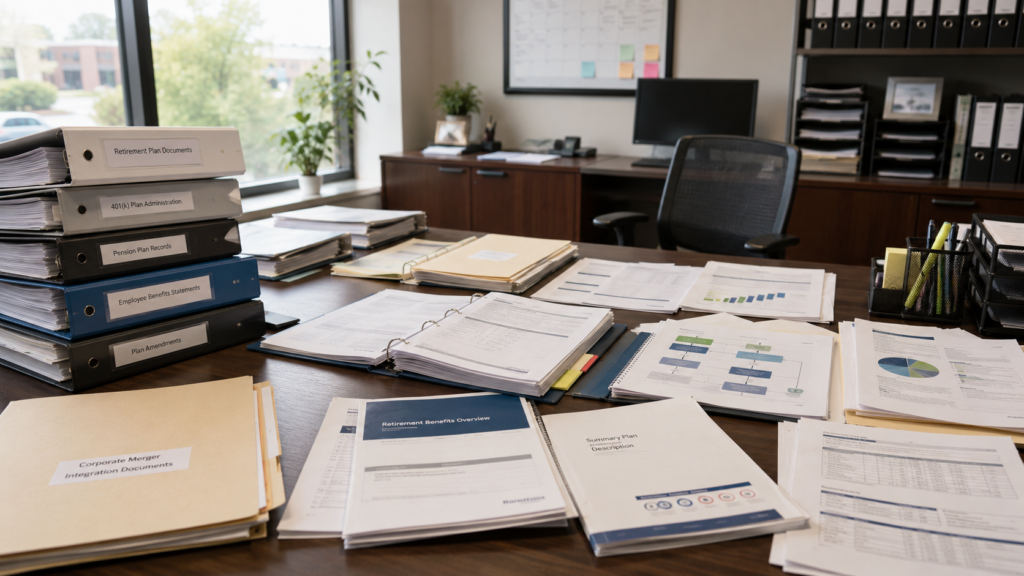
Lost 401(k)s, forgotten pensions, old IRAs, and retirement plans from previous employers are among the most common sources of unclaimed funds.
Learn More ->
Bank Accounts
Inactive checking accounts, savings accounts, certificates of deposit, and credit union accounts can eventually be transferred to state unclaimed property programs.
Learn More ->
Life Insurance
Beneficiaries often don’t realize they are entitled to life insurance proceeds from policies purchased years or even decades ago.
Learn More ->
Investments
Forgotten stock certificates, dividend payments, mutual funds, and brokerage accounts frequently become unclaimed property.
Learn More ->
Tax Refunds
Federal and state tax refunds sometimes go unclaimed because of address changes, filing issues, or missing information.
Learn More ->
Safe Deposit Boxes
Contents from abandoned safe deposit boxes may eventually be transferred to state custody after lengthy dormancy periods.
Learn More ->
Utility Deposits
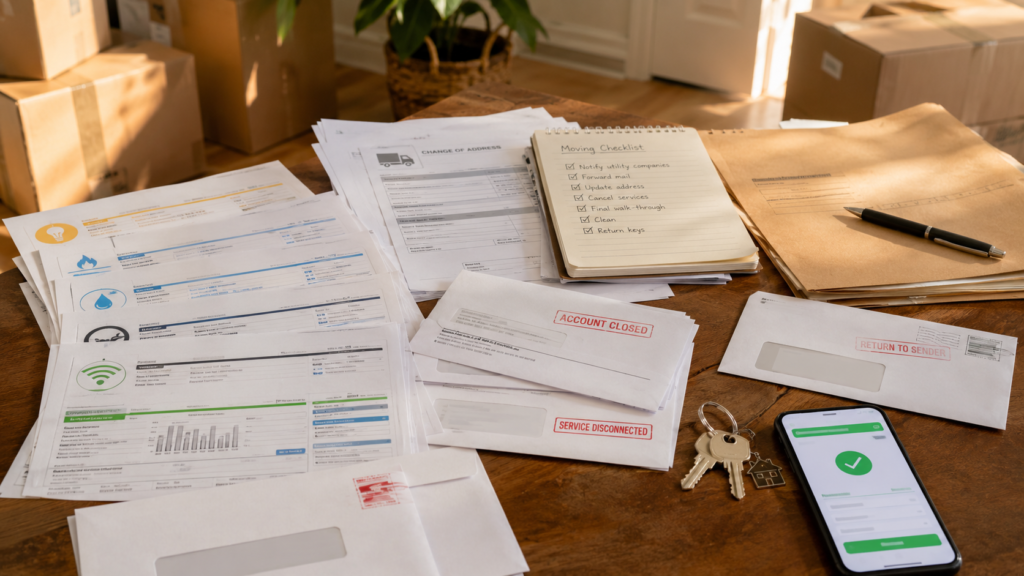
Refundable deposits from electric, gas, water, cable, and internet providers often become unclaimed when customers move.
Learn More ->
Uncashed Checks
Payroll checks, rebate checks, insurance payments, settlement funds, and other outstanding payments may be reported as unclaimed property.
Learn More ->
Not Sure Which Category Applies?
Where you search depends on the type of money. State unclaimed property databases cover many forgotten accounts, checks, and deposits, but they do not include every asset. Retirement benefits, federal tax refunds, savings bonds, and certain other funds require separate searches. Choose a category above for guidance on the relevant resources.
POPULAR GUIDES
Learn Where Your Missing Money May Be Hiding
Whether you’re searching for a lost retirement account, forgotten bank funds, unclaimed insurance benefits, or an old tax refund, these guides can help you identify potential sources of missing money and understand the next steps in the recovery process.







START YOUR SEARCH HERE
What Type of Unclaimed Money Should You Search For?
The most common sources of unclaimed money often depend on your personal circumstances. Use the guide below to determine which searches may be worth prioritizing.
MOST COMMON CLAIMS
Where Most People Find Unclaimed Money
- Retirement accounts from former employers
- Inactive checking and savings accounts
- Life insurance benefits
- Uncashed payroll checks
- Investment dividends
- Tax refunds and government payments
If You...
Search These Types of Unclaimed Money
Changed jobs
Retirement accounts, pensions, uncashed paychecks
Moved recently
Utility deposits, tax refunds, bank accounts
Lost a family member
Life insurance benefits, bank accounts, investments
Owned stocks
Dividends, brokerage accounts, mutual funds
Lived in multiple states
All major asset types in every state
Closed a business
Business assets, refunds, uncashed checks
UNDERSTANDING UNCLAIMED PROPERTY
Why Does Money Become Unclaimed?
Money can become unclaimed when an organization loses contact with the person it owes or a payment is never collected. An outdated address, a forgotten account, or an unnoticed refund can leave funds disconnected from their owner. What happens next depends on the asset: some funds are transferred to a state unclaimed property program, while others remain with a financial institution, retirement plan, or government agency.
People Move
Address changes are one of the most common reasons companies lose contact with account holders. Bank accounts, refunds, deposits, and checks may become unclaimed when mail is returned or contact information is outdated.
Jobs Change
Retirement accounts, pensions, final paychecks, and employee benefits are often forgotten when someone changes employers, relocates, or loses access to old workplace records.
Families Change
Deaths, marriages, divorces, and name changes can make it harder to match assets to the rightful owner, especially when beneficiaries or heirs do not know the money exists.
HOW FUNDS REACH STATE PROGRAMS
This process applies to assets covered by state unclaimed property laws, such as certain bank balances, uncashed checks, and utility deposits. Reporting requirements and timelines vary by state and property type. Retirement benefits and federal tax refunds follow different processes and may require separate searches.
1.
Account Inactive or Payment Uncollected
2.
Holder Attempts Required Contact
3.
State Reporting Requirements Are Met
4.
Property Reported and Transferred
5.
Owner or Eligible Heir Files a Claim
FREQUENTLY ASKED QUESTIONS
Types of Unclaimed Money FAQs
Have questions about the different types of unclaimed money? Here are answers to some of the most common questions people ask before beginning their search.
What are the most common types of unclaimed money?
The most common forms of unclaimed money include forgotten bank accounts, retirement accounts, life insurance benefits, uncashed checks, tax refunds, investment accounts, and utility deposits.
Which type of unclaimed money is most frequently claimed?
Bank accounts and uncashed checks are among the most frequently claimed types of unclaimed property, although retirement accounts and life insurance benefits can sometimes result in larger payouts.
Can I search for multiple types of unclaimed money at the same time?
Yes. Most state unclaimed property databases allow you to search broadly by name, which may reveal multiple types of assets connected to the same individual.
Are retirement accounts considered unclaimed property?
A forgotten retirement account does not automatically become state-held unclaimed property. An old 401(k) or pension may still be held by a former employer’s plan, a plan administrator, or another institution. Start by contacting the former employer or plan administrator. Depending on the plan, resources from the U.S. Department of Labor or Pension Benefit Guaranty Corporation may help. State unclaimed property searches can supplement this research, but they do not cover every retirement benefit.
Can life insurance benefits become unclaimed?
Yes. If beneficiaries are unaware of a policy or cannot be contacted, life insurance proceeds may eventually be reported as unclaimed property.
What happens to money in dormant bank accounts?
After a period of inactivity defined by state law, banks may transfer dormant account balances to the state’s unclaimed property program.
Do different types of claims require different documents?
Yes. The required documentation often depends on the asset type and ownership situation. Some claims require only identification, while others may require death certificates, probate records, or proof of address.
Is there a deadline to claim unclaimed money?
Deadlines depend on the type of money and the program holding it. Many state unclaimed property programs allow owners or eligible heirs to claim funds without a time limit. Federal tax refunds and other payments can have filing or claim deadlines. Check the rules with the agency, institution, or plan holding the funds rather than assuming every type of unclaimed money remains available indefinitely.
Should I search every state where I've lived?
Yes. If you’ve lived, worked, attended school, or owned property in multiple states, it’s a good idea to search each state’s database.
Is searching for unclaimed money free?
Yes. Official state unclaimed property databases are free to search and use.